
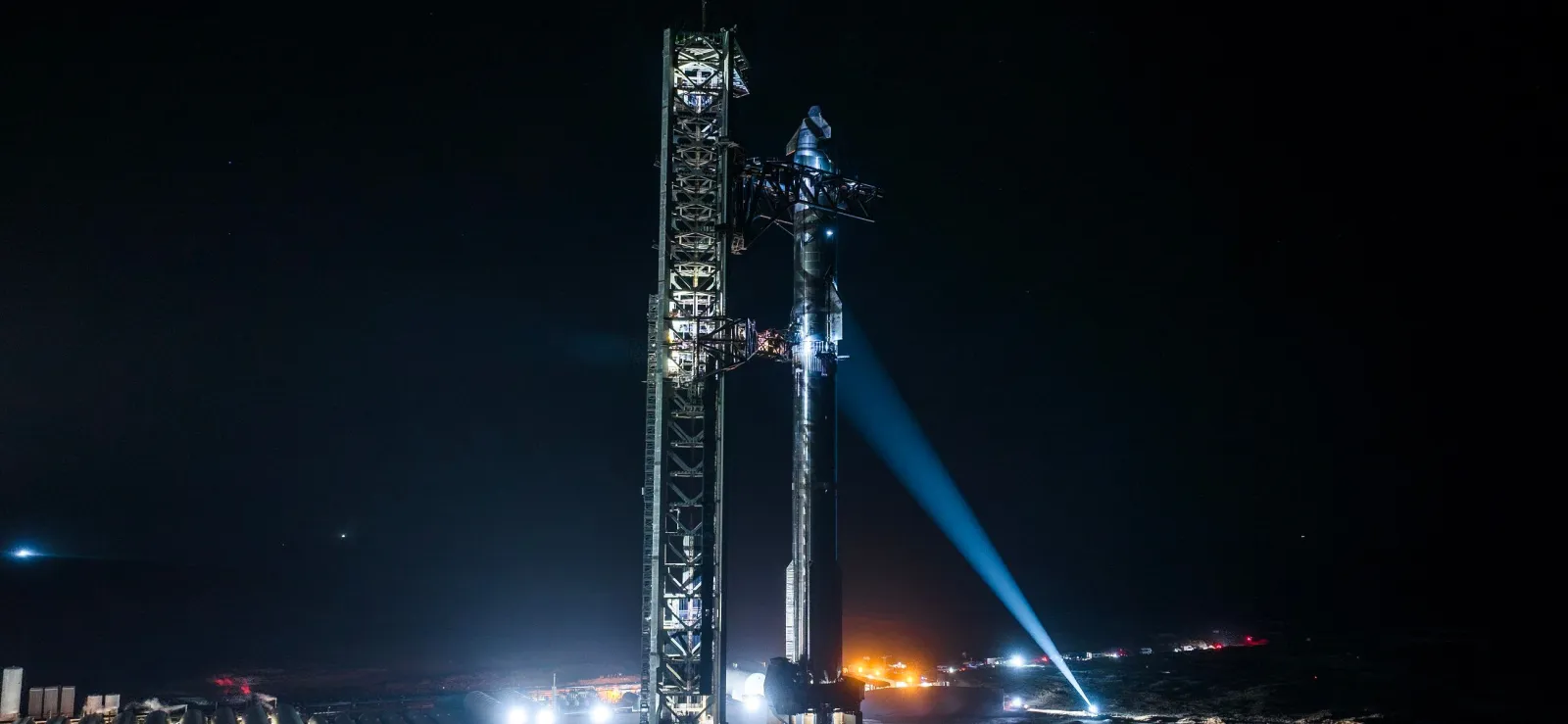
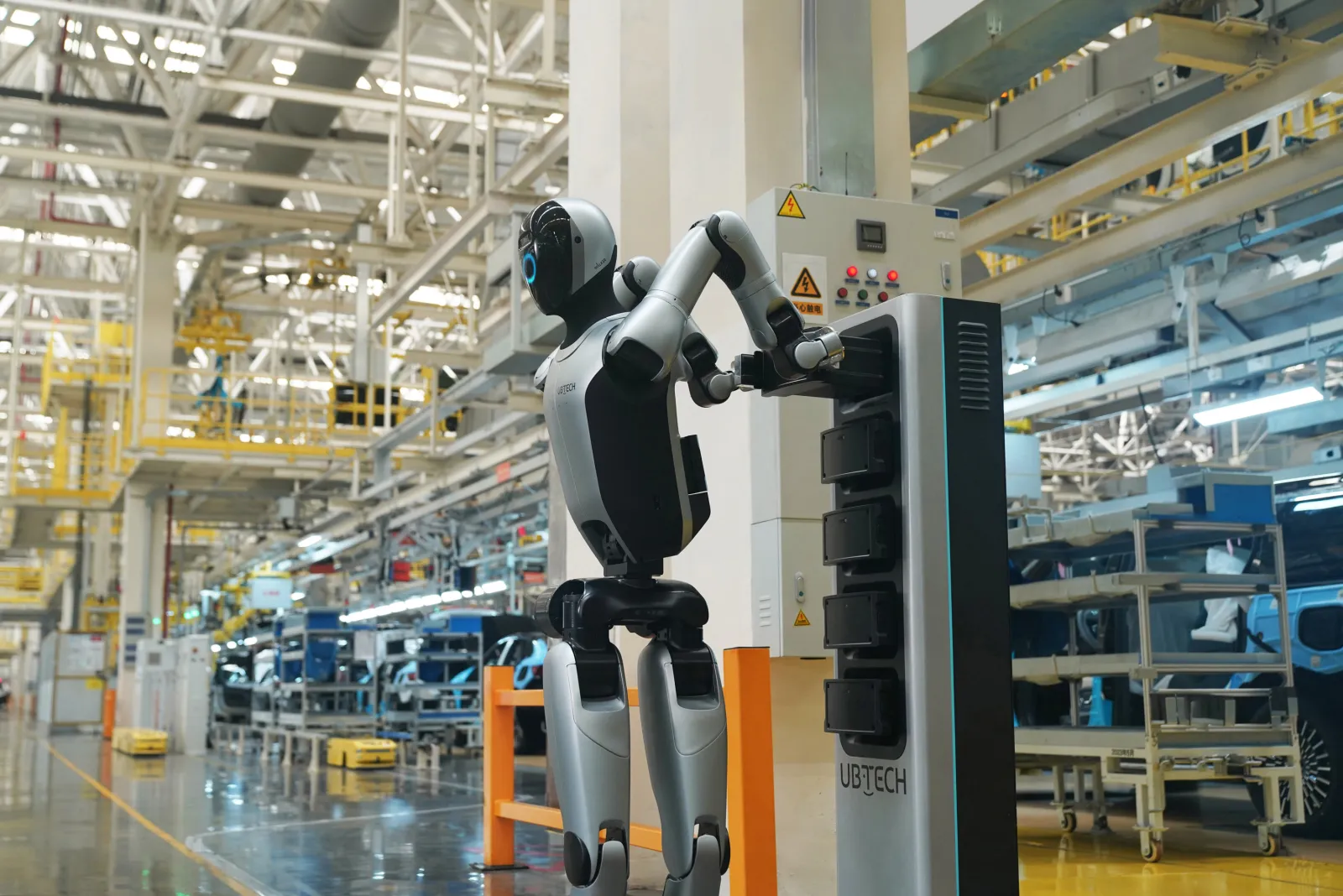
The future, already photographed.
None of this is a render of 2075. It is robots, cities and machines working today, and the projects already under construction for the next three years.
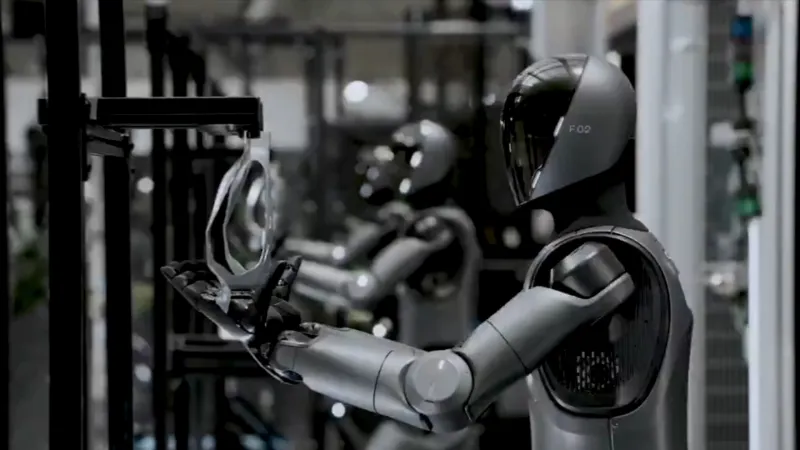
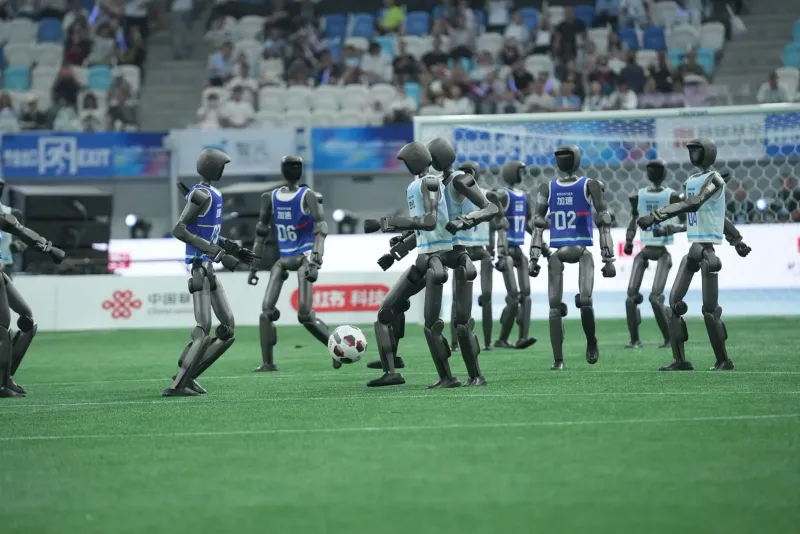
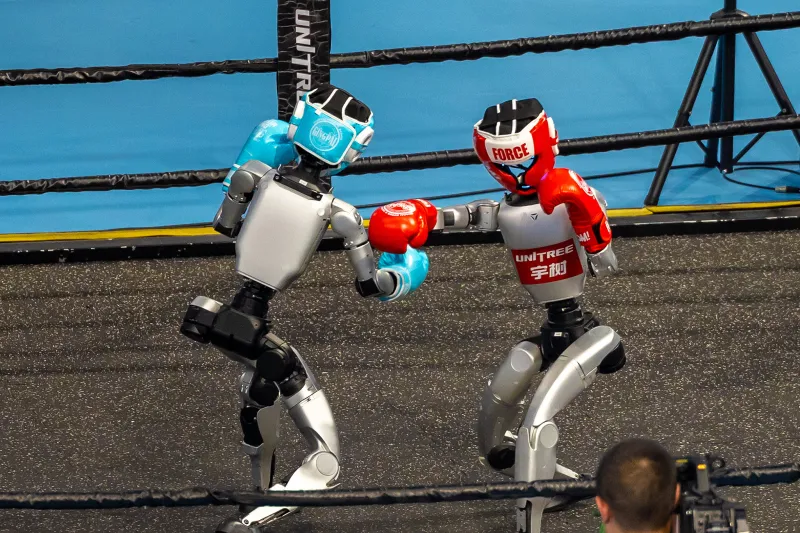
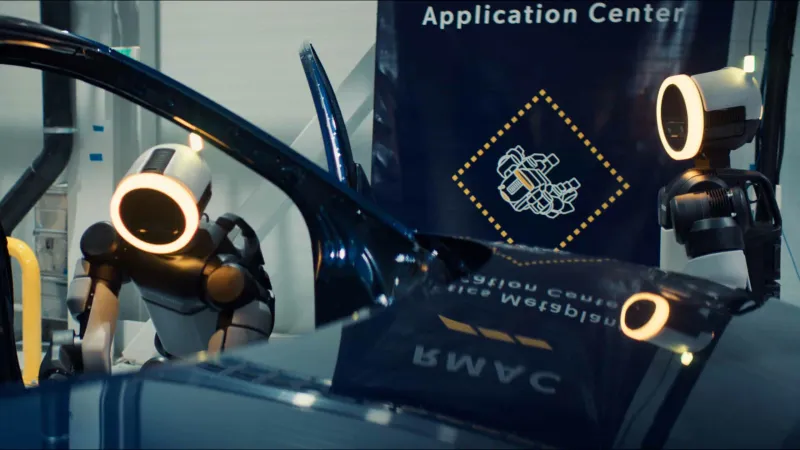
Robots at work
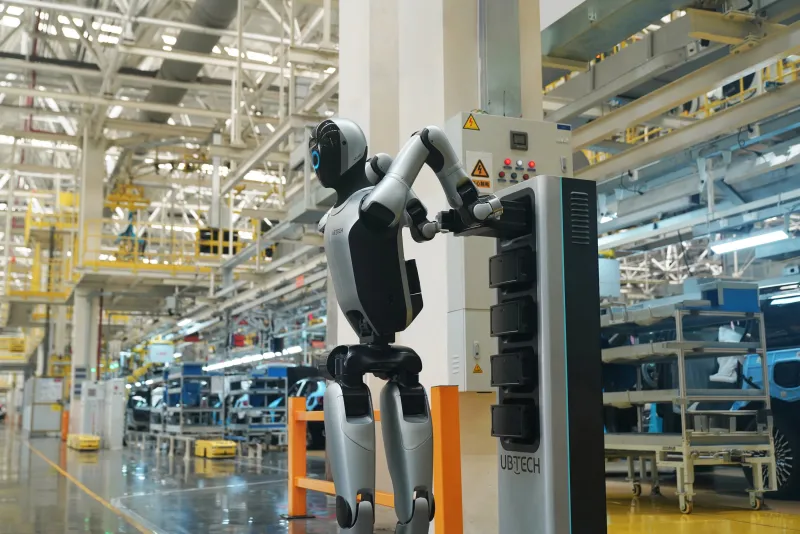
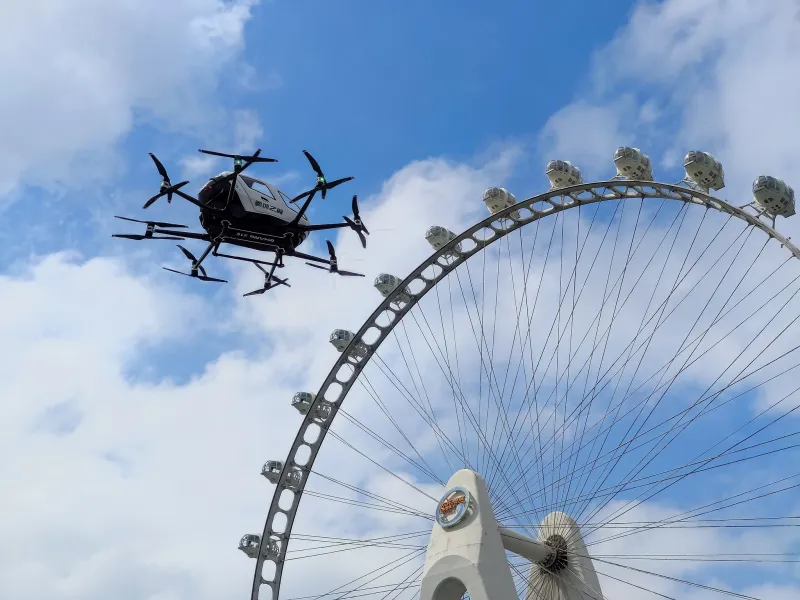
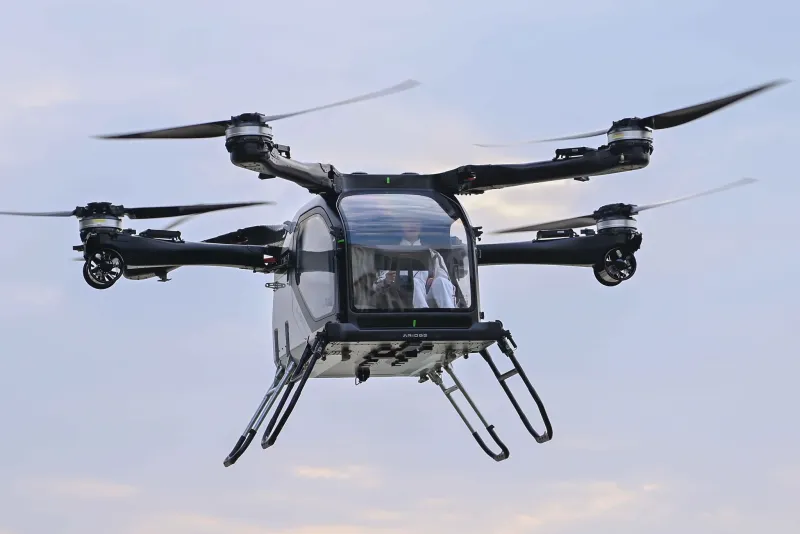
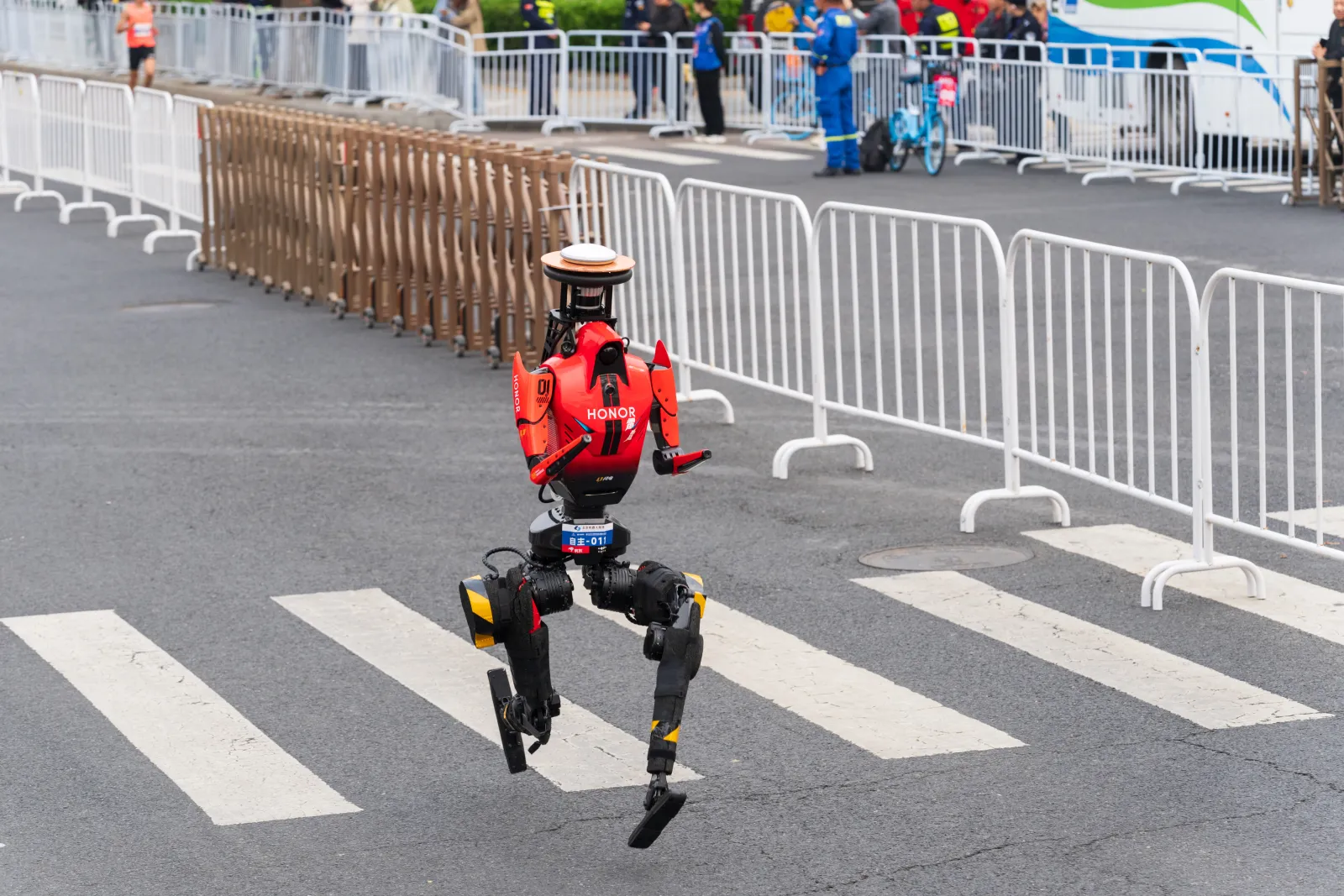
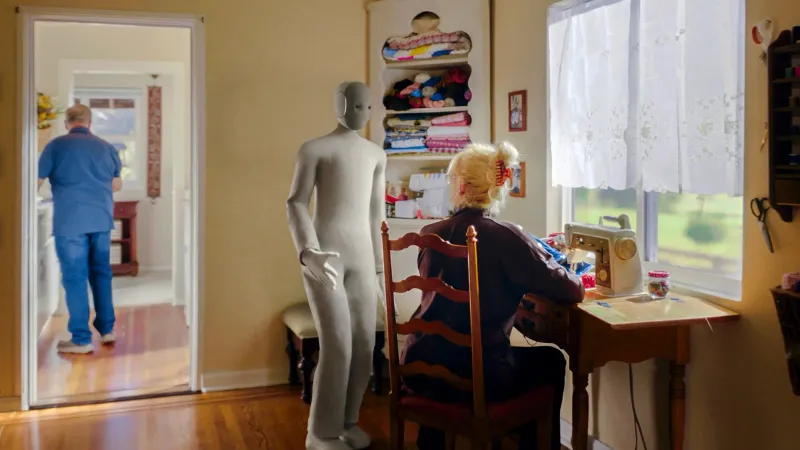
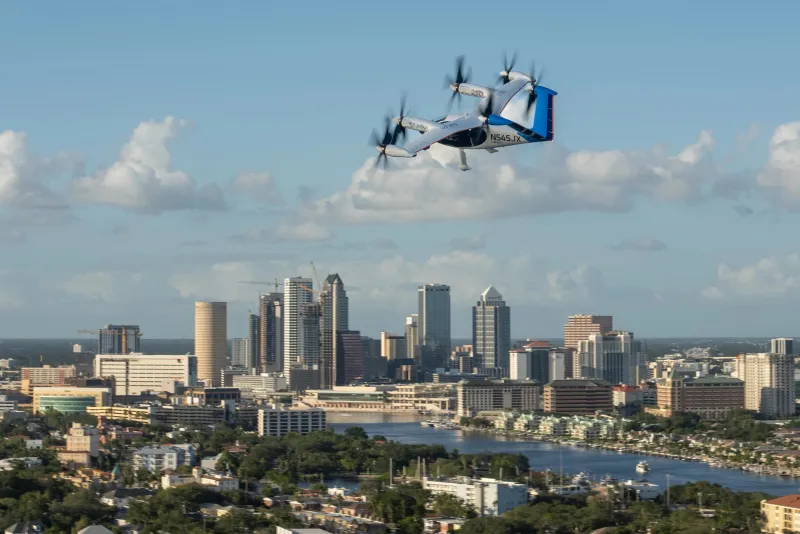
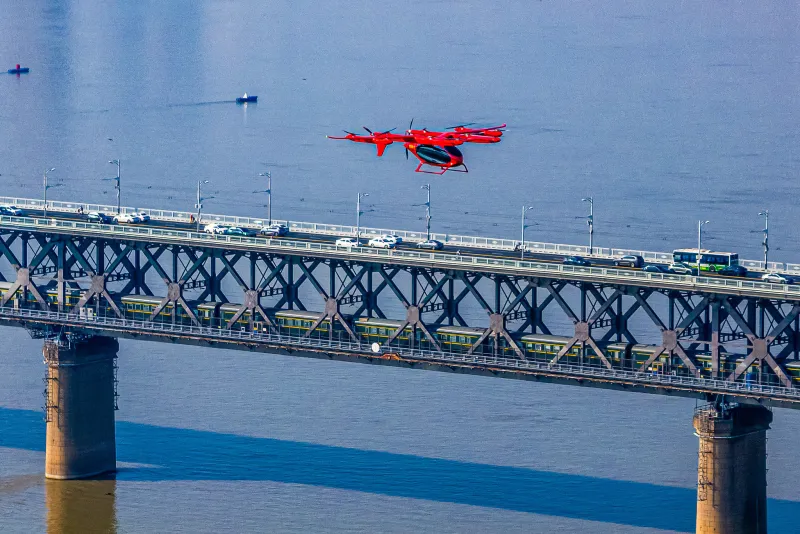
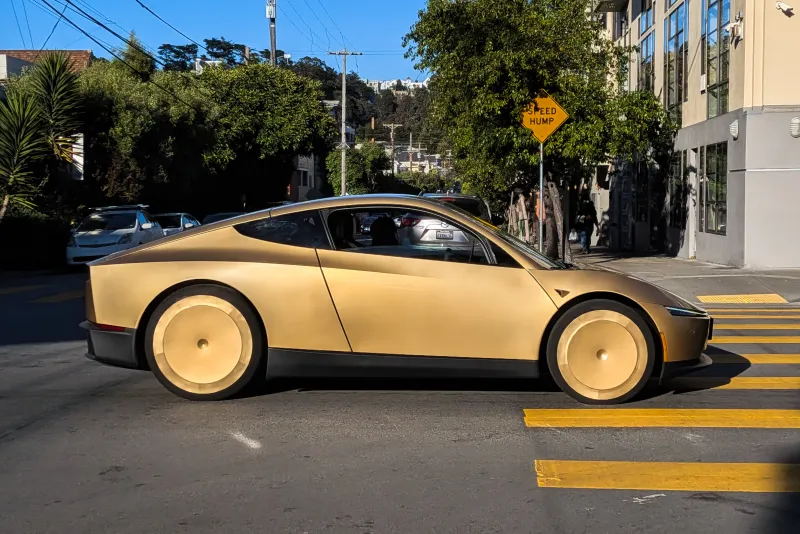
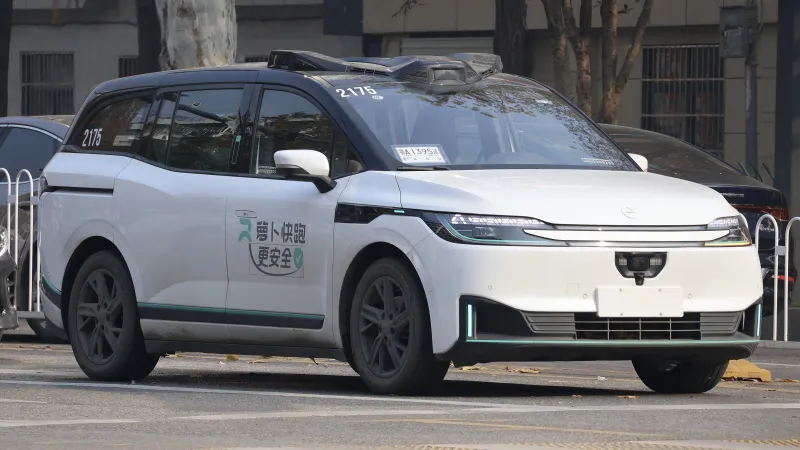
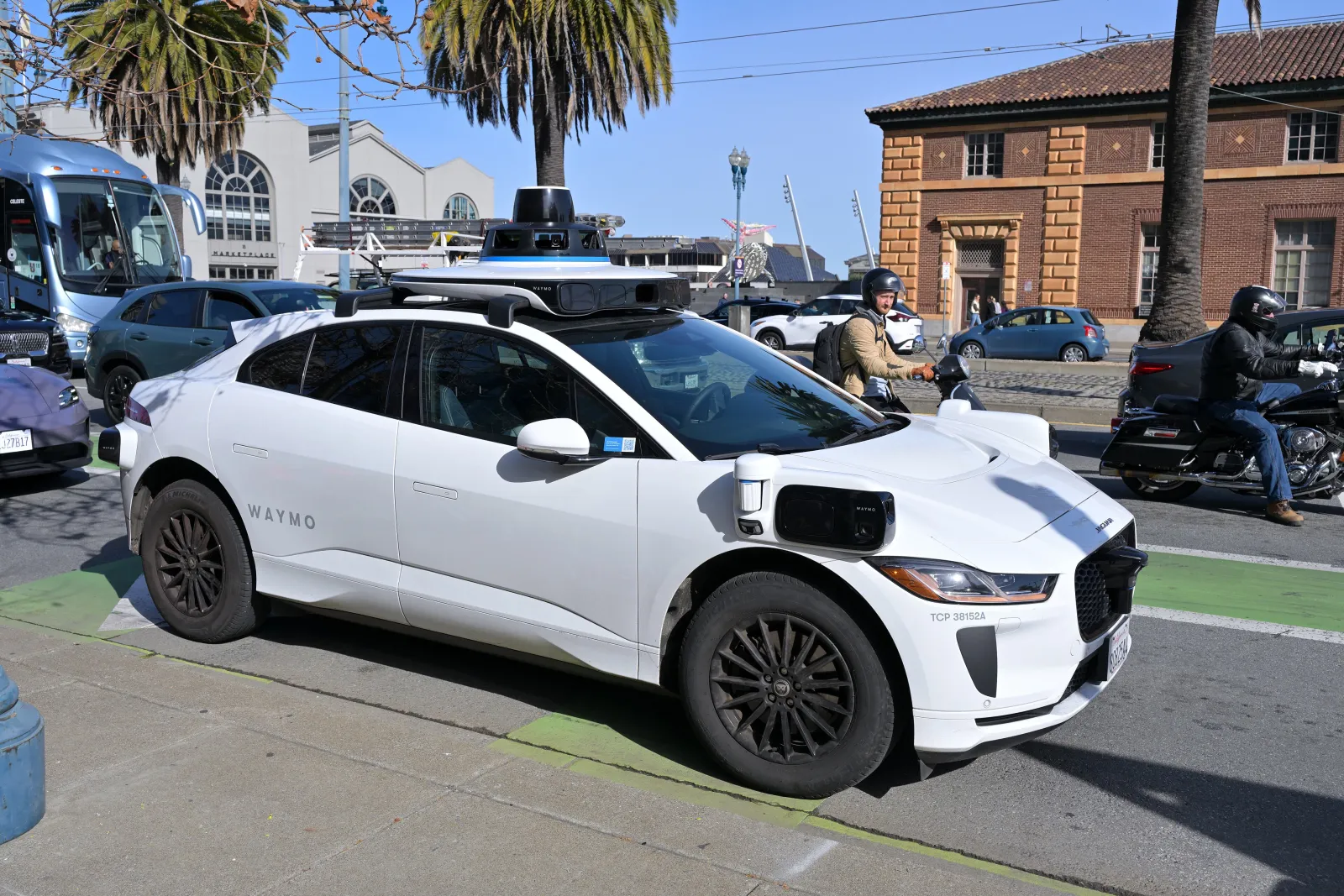
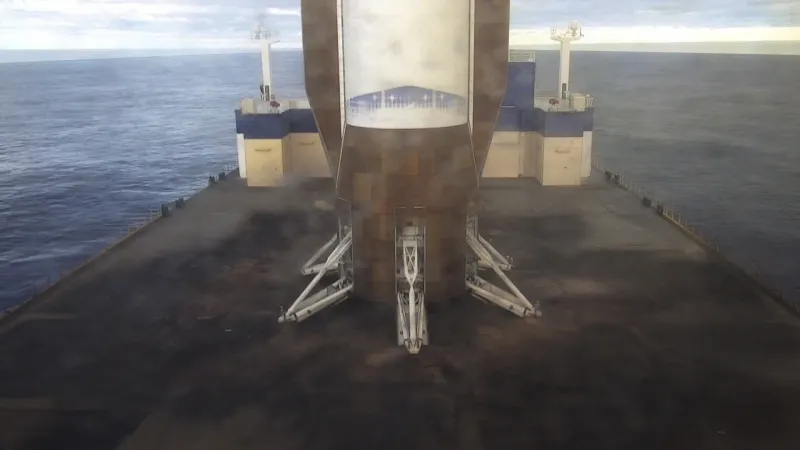
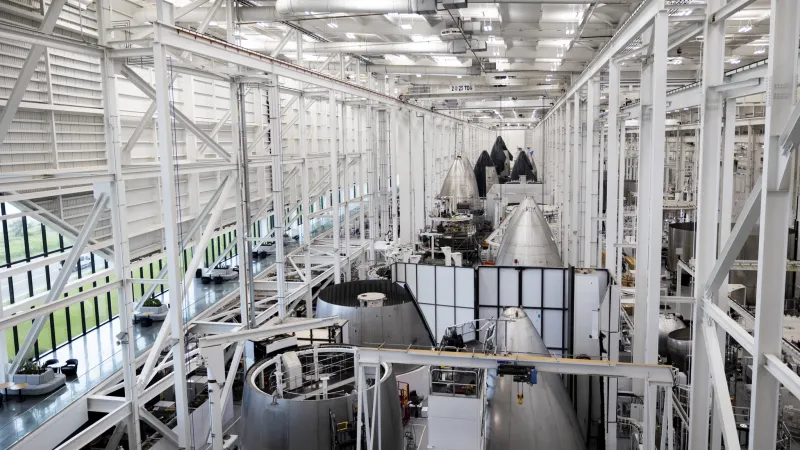
Humanoids on factory lines, robots that run, box and deliver, and aircraft and boats with no one aboard.
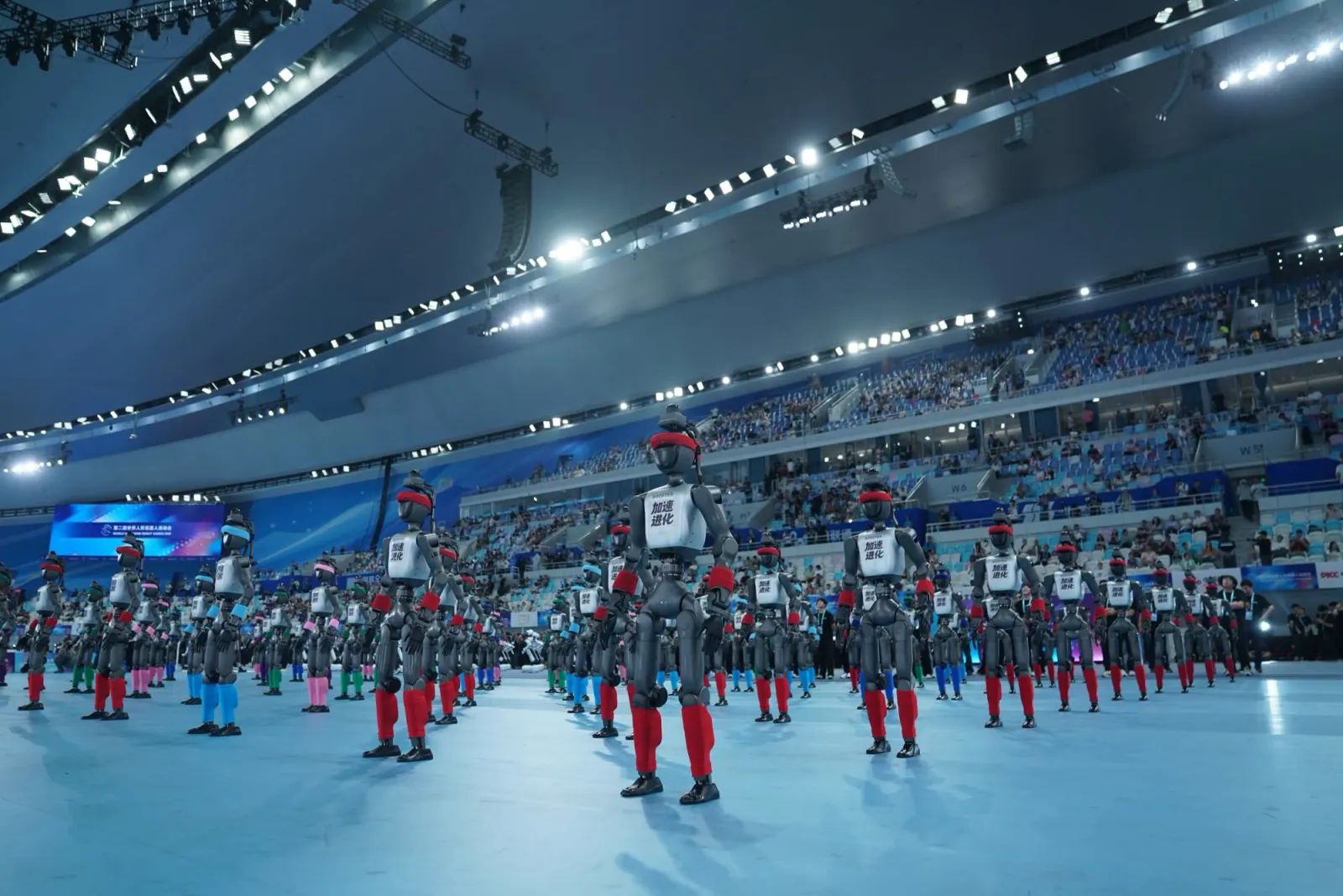
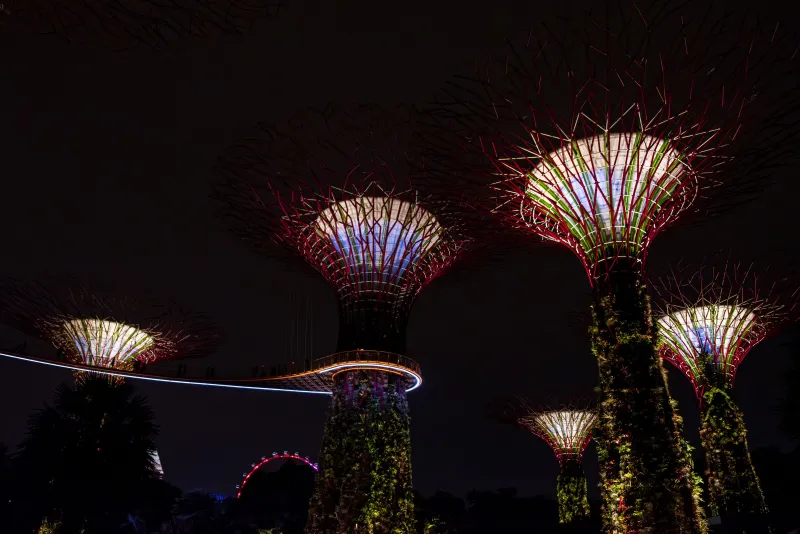
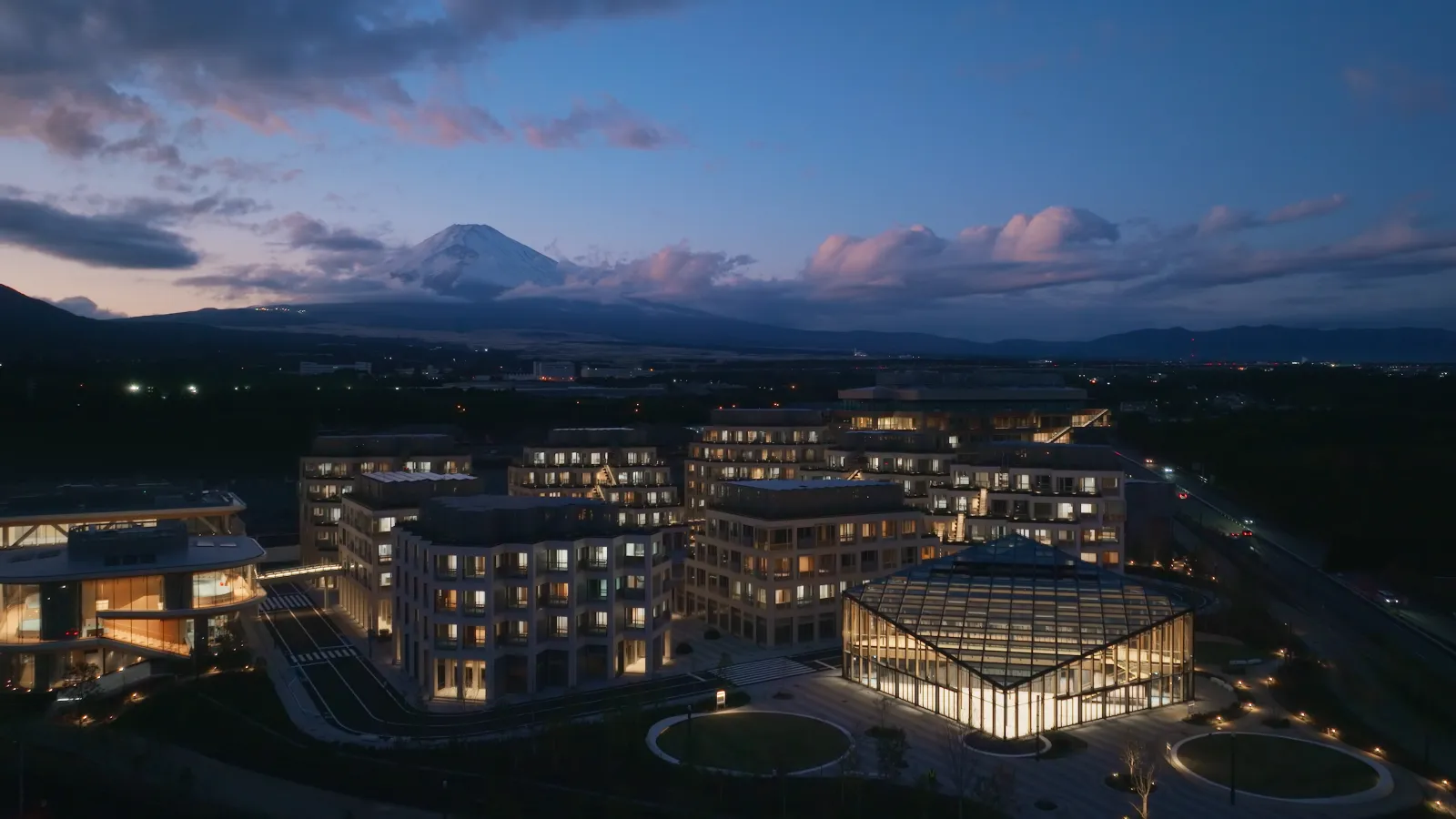
Cities that look like tomorrow
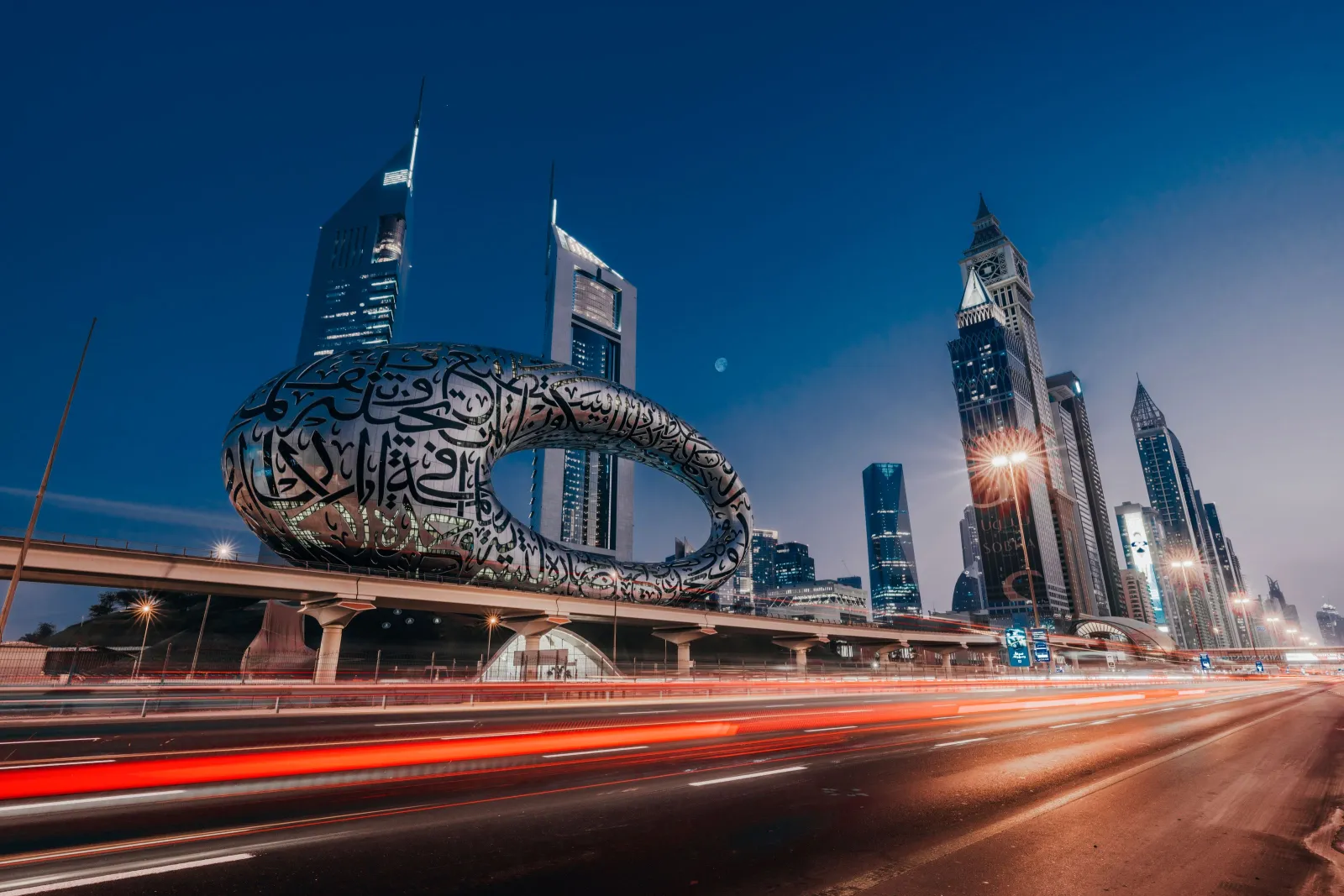
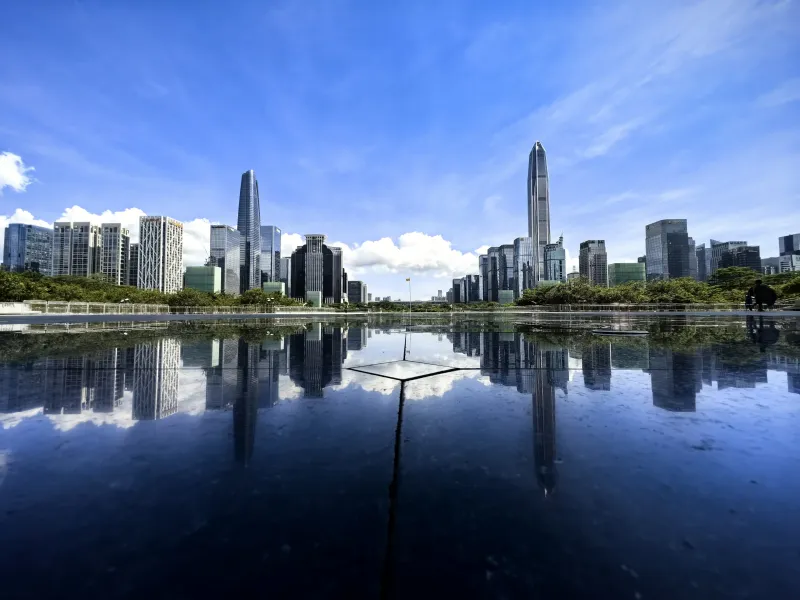
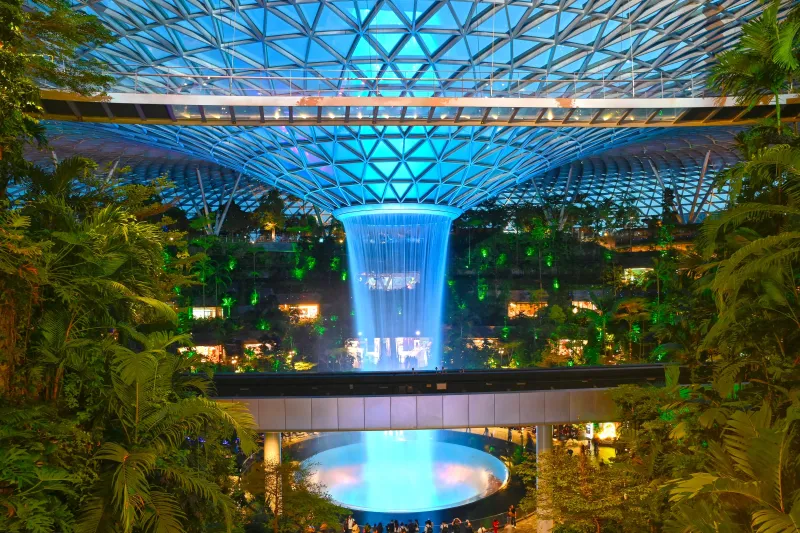
Whole districts built in a generation, lit, wired and run by software.


Leaving Earth, routinely
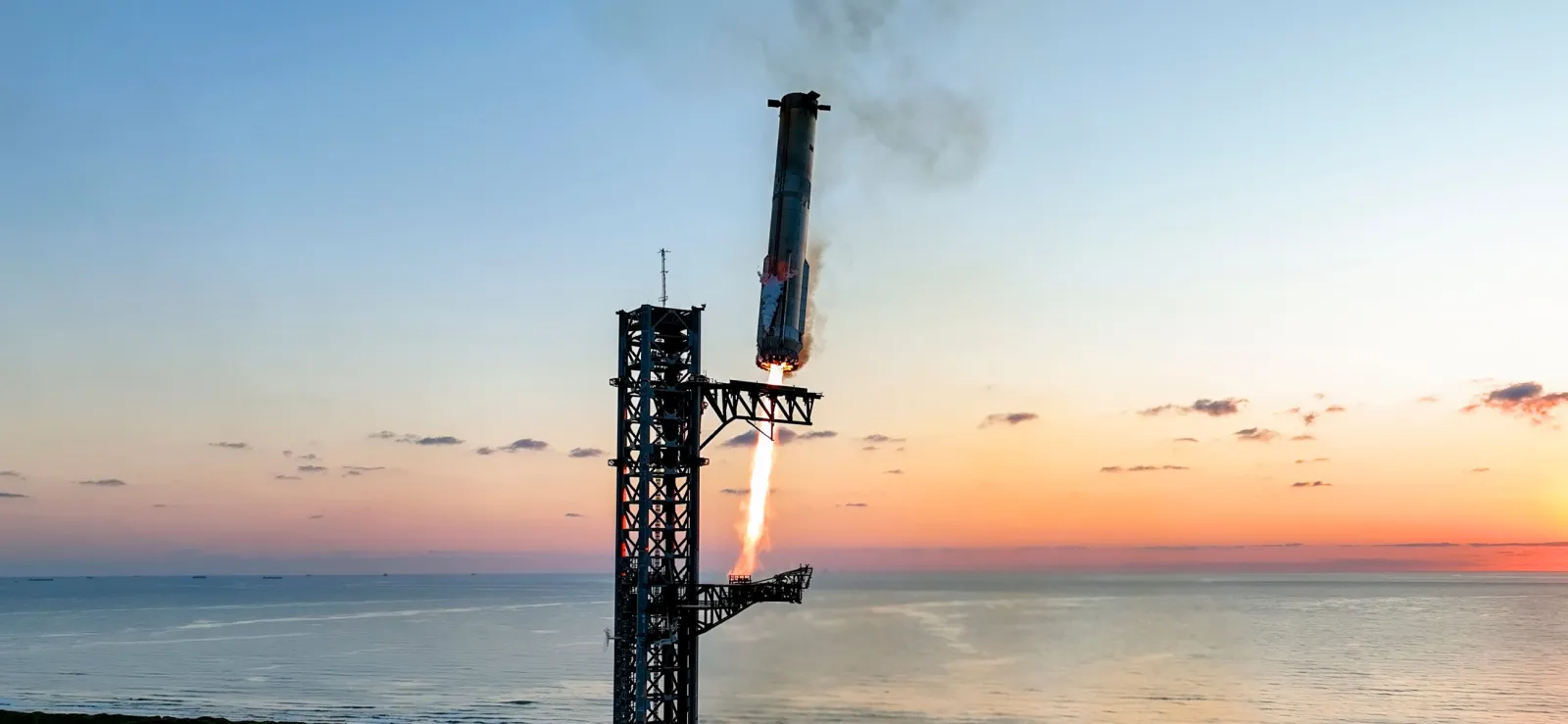
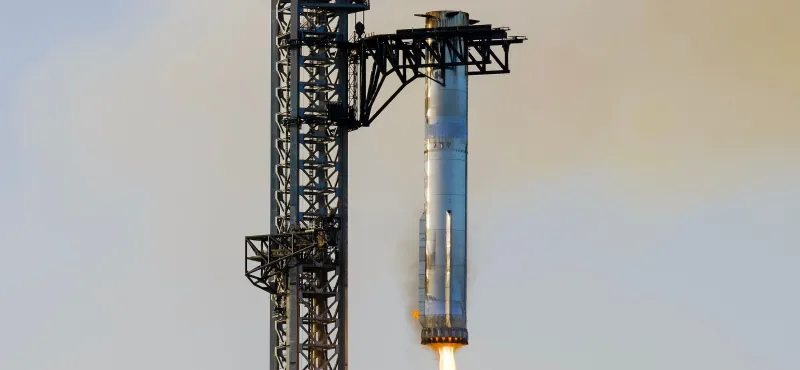
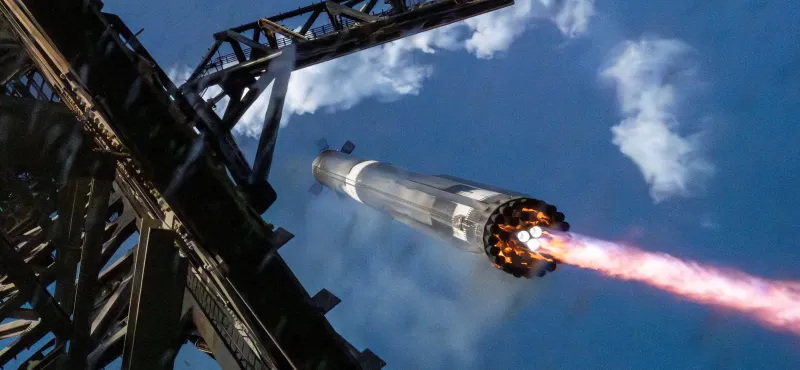
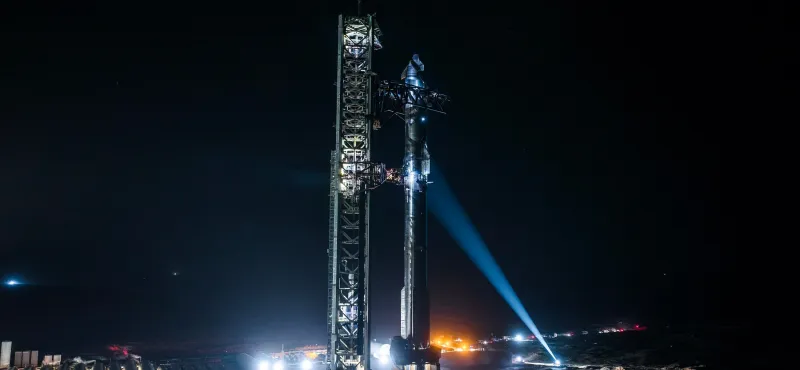
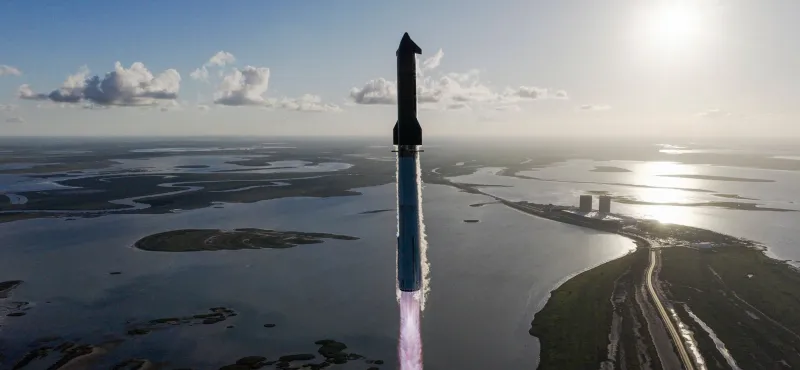
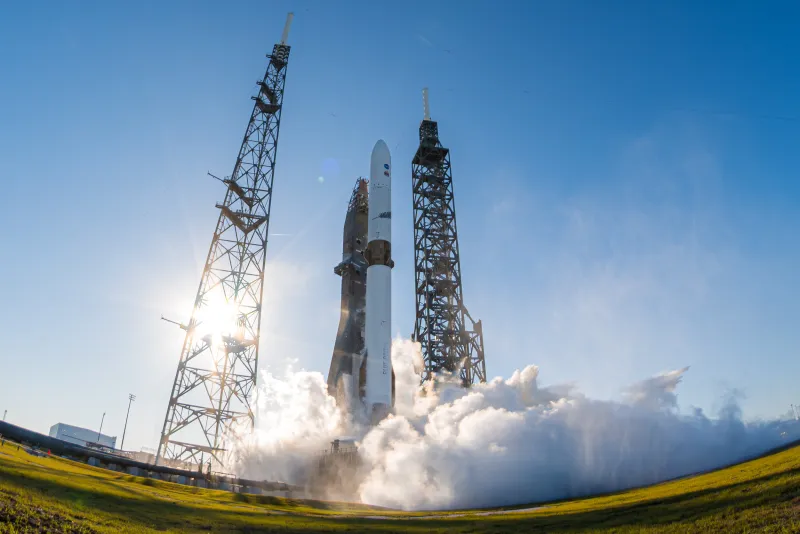
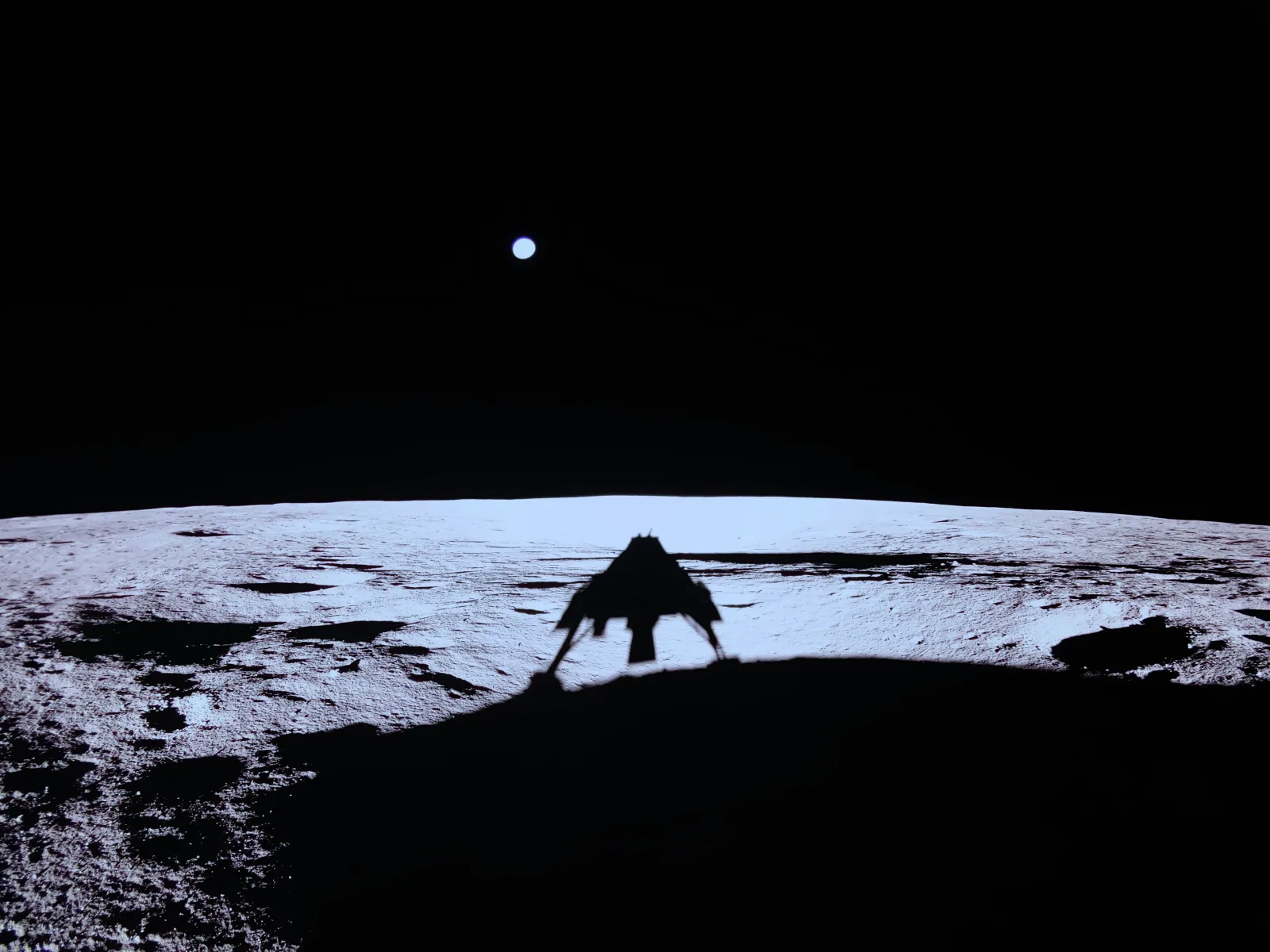
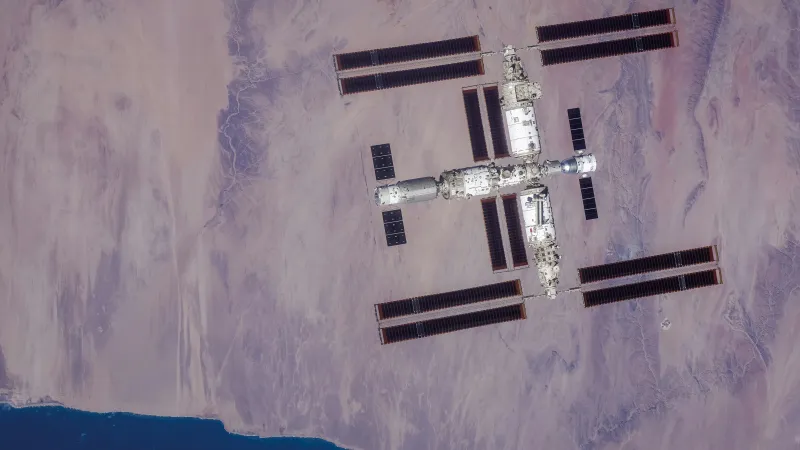
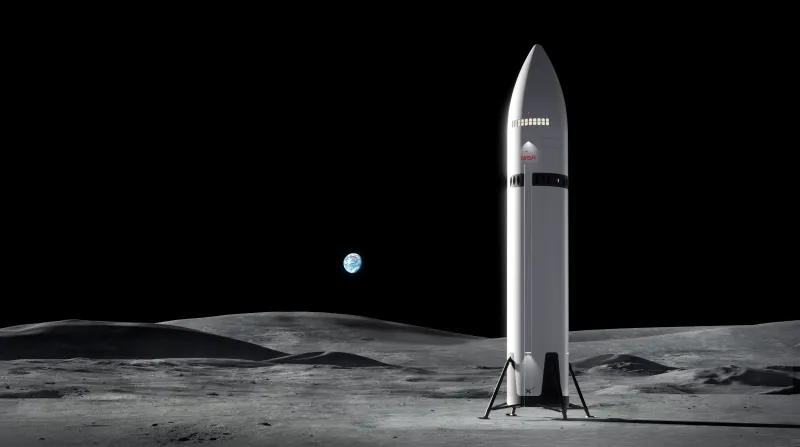
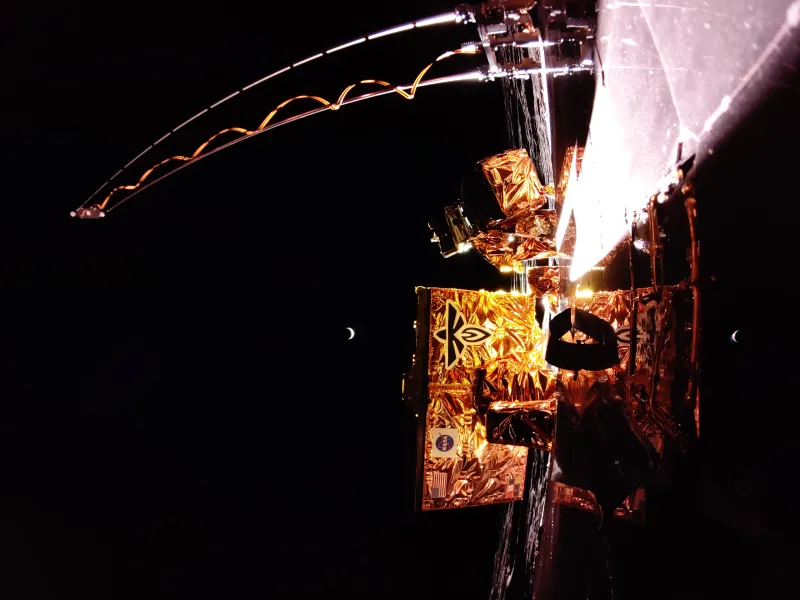
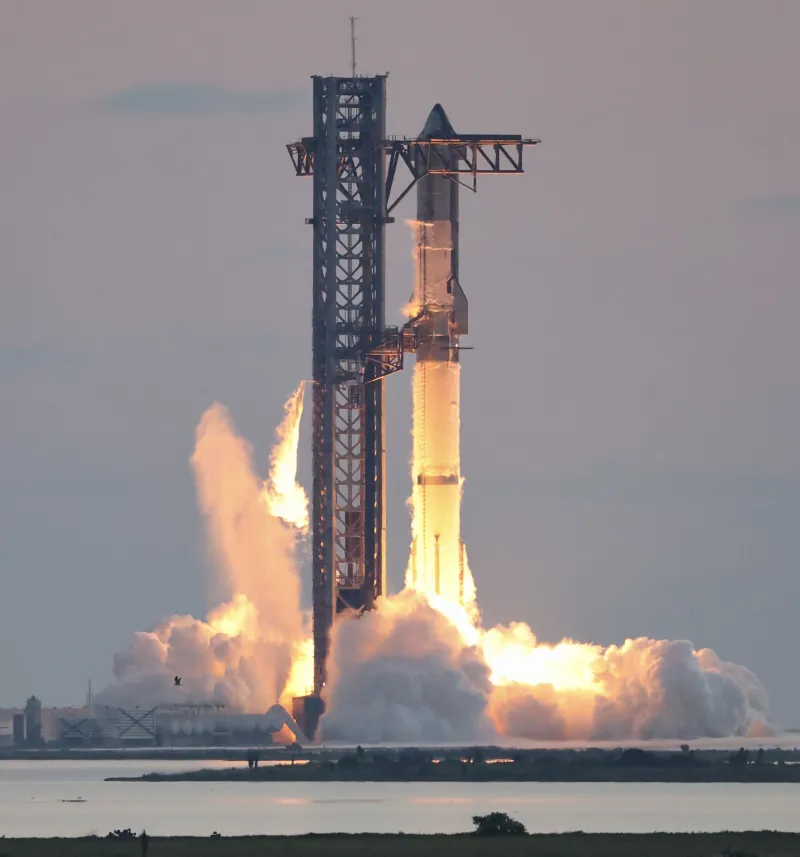
Rockets caught by their launch towers, private stations and landers on the Moon.
Being built for 2027 to 2029
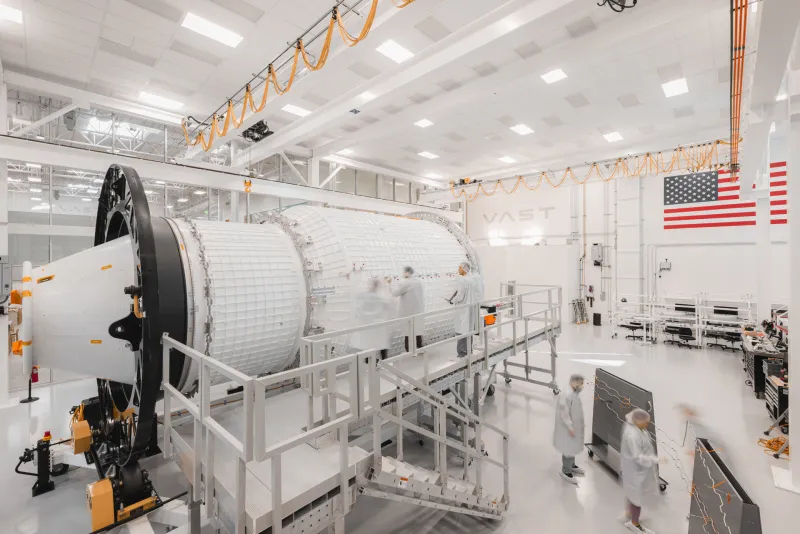
The megaprojects, fusion plants and AI campuses already under construction, and what each is due to deliver.
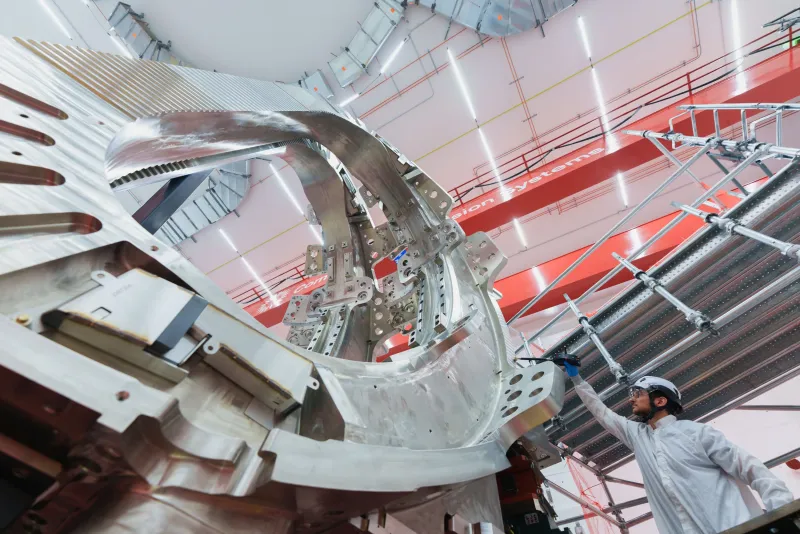
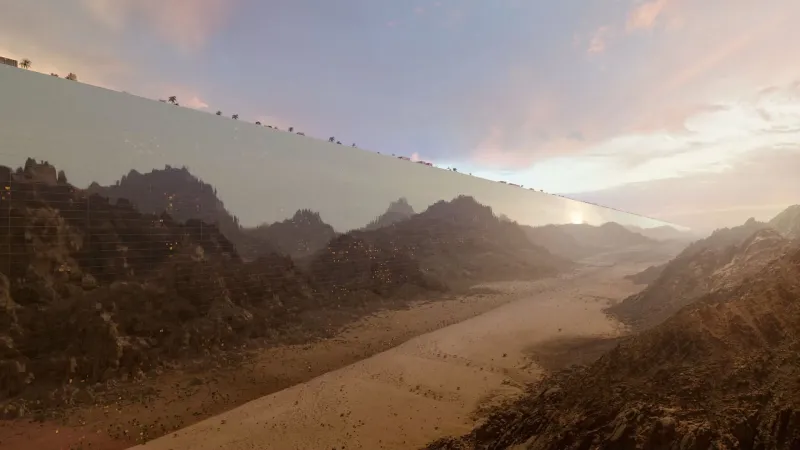
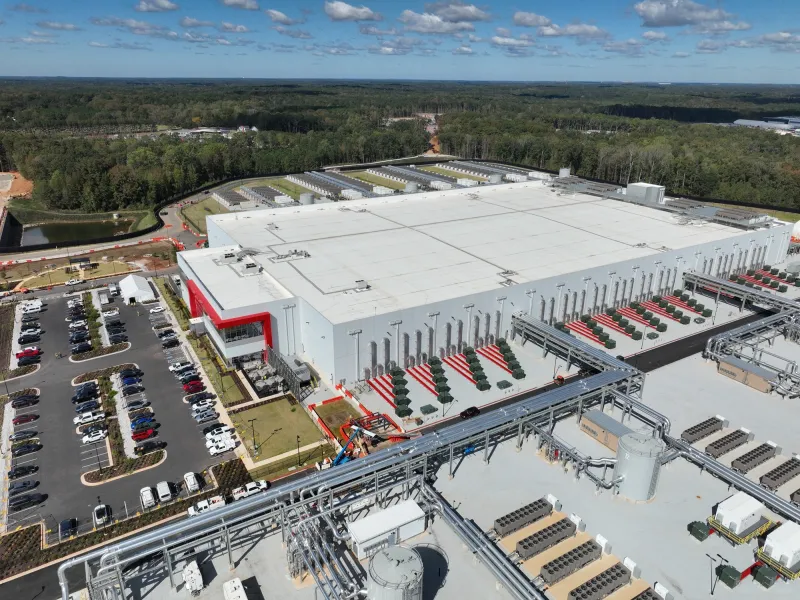
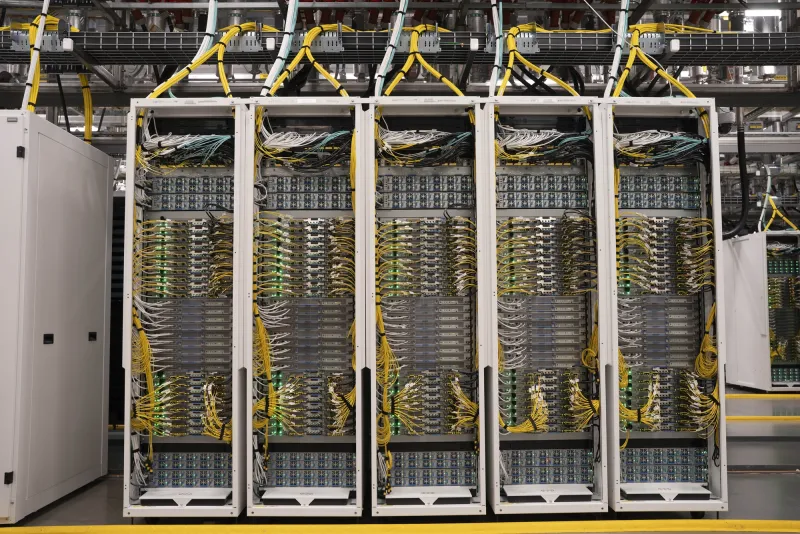
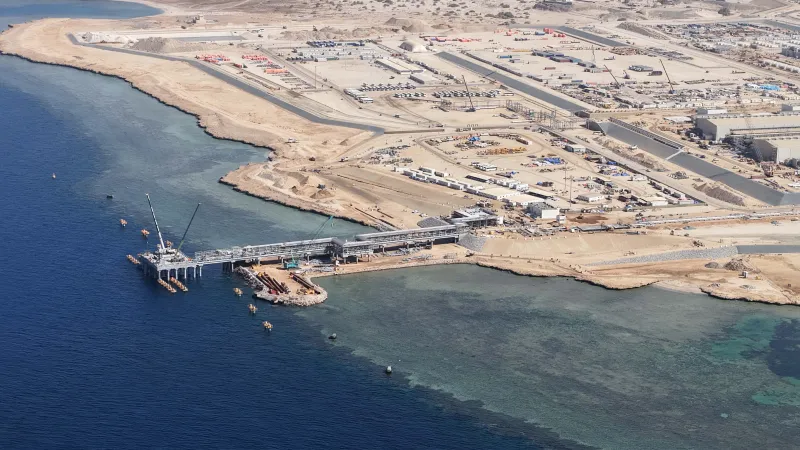
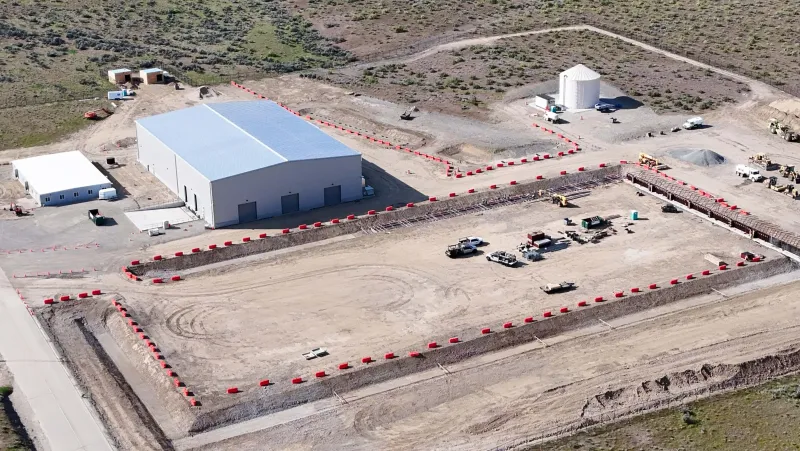
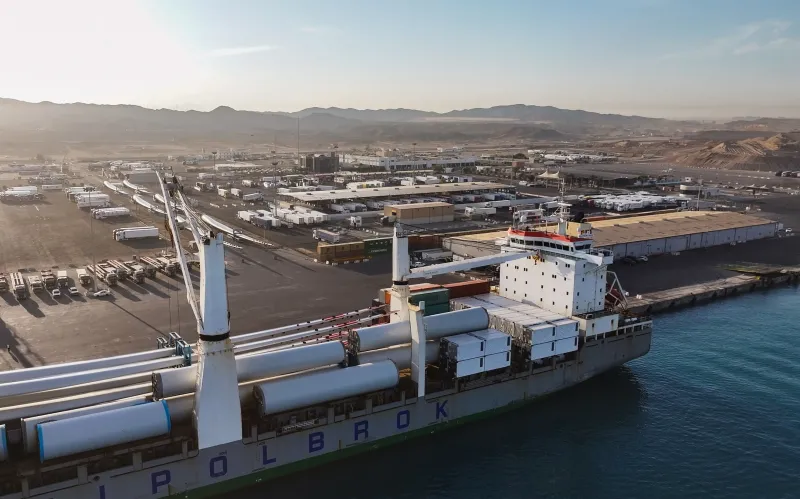
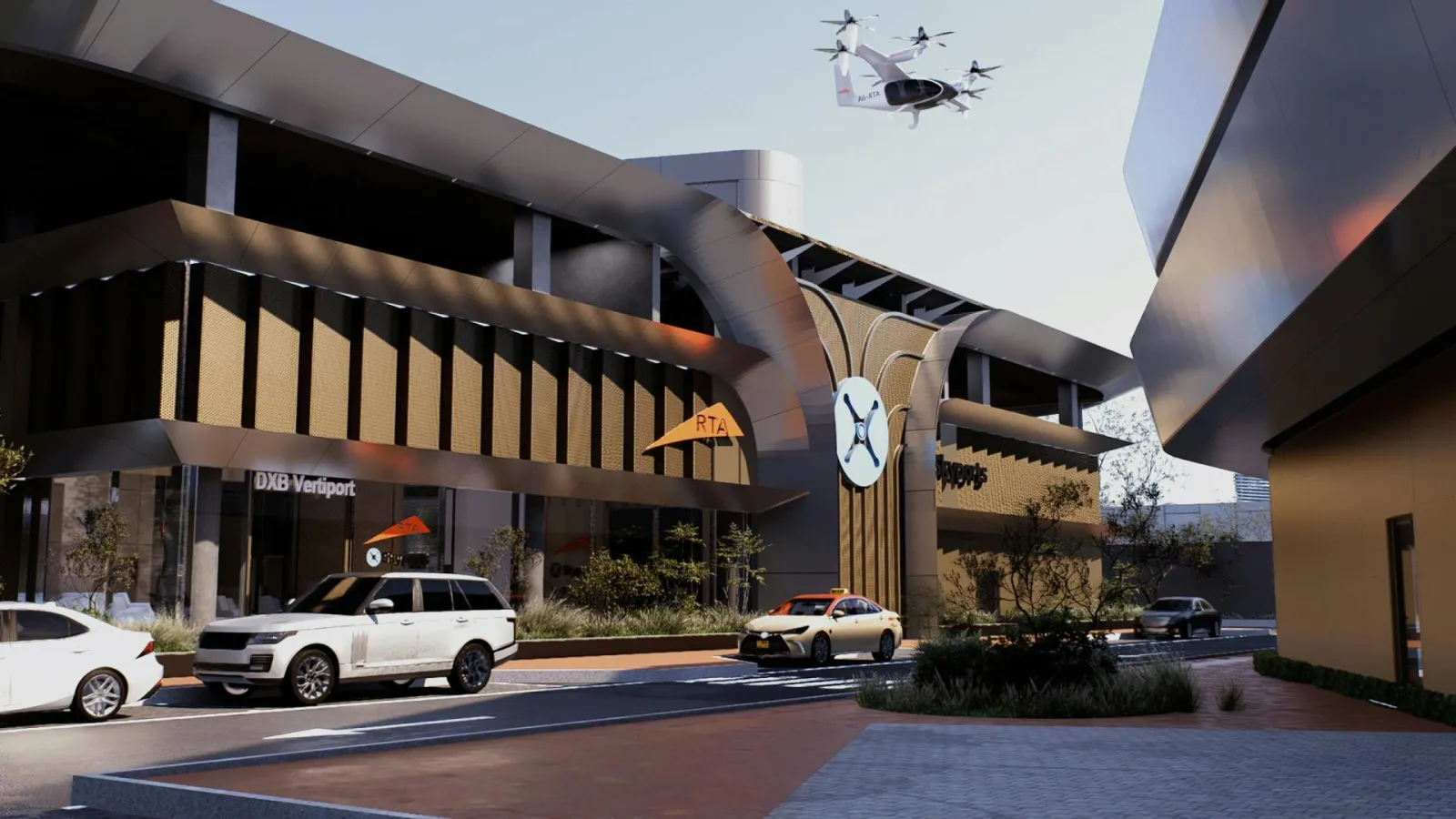
The world is already building it.
This is the present, somewhere else. China and the Gulf are building their visions of the future now, at scale. The United States has every piece, but not yet in one place.
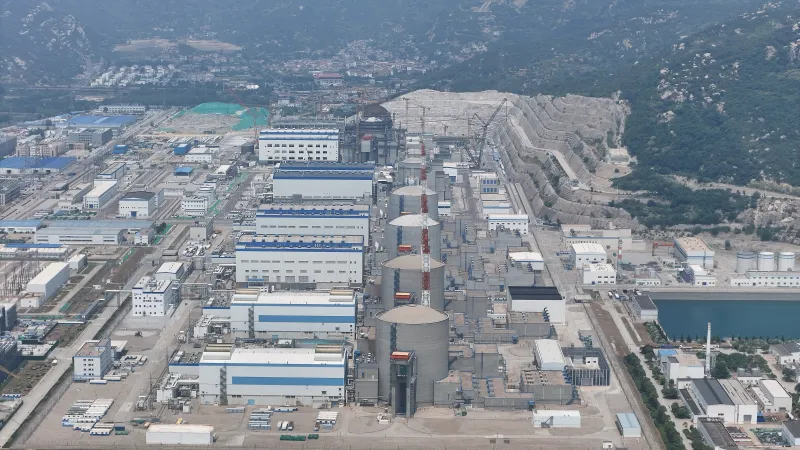
China
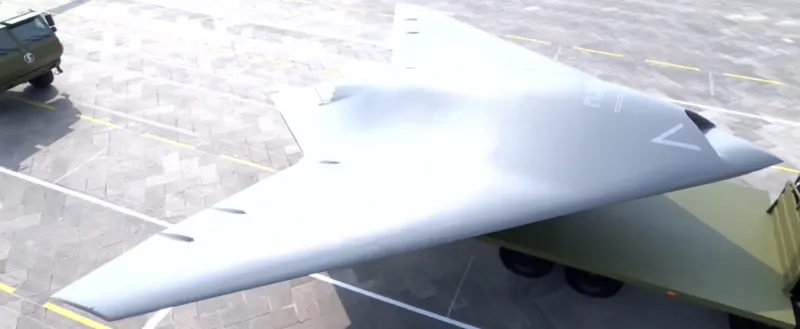
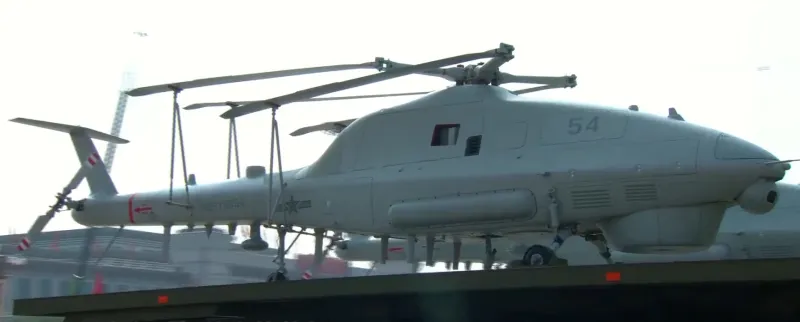
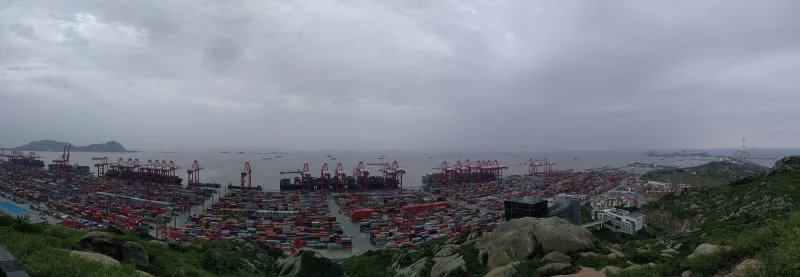
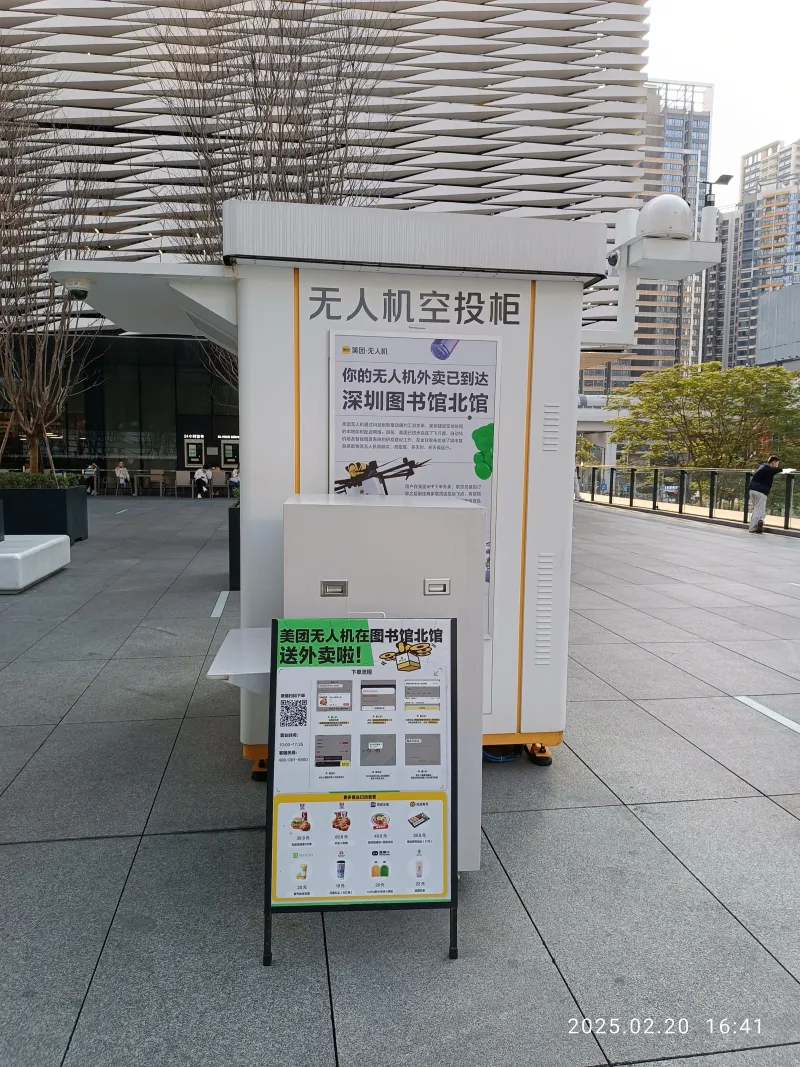
Builds at a pace the US has not matched in fifty years.
A 2025 report counted more than 650 hardened aircraft shelters at Chinese bases within reach of the Taiwan Strait, while the US had added two in that area since the early 2010s.

The Gulf
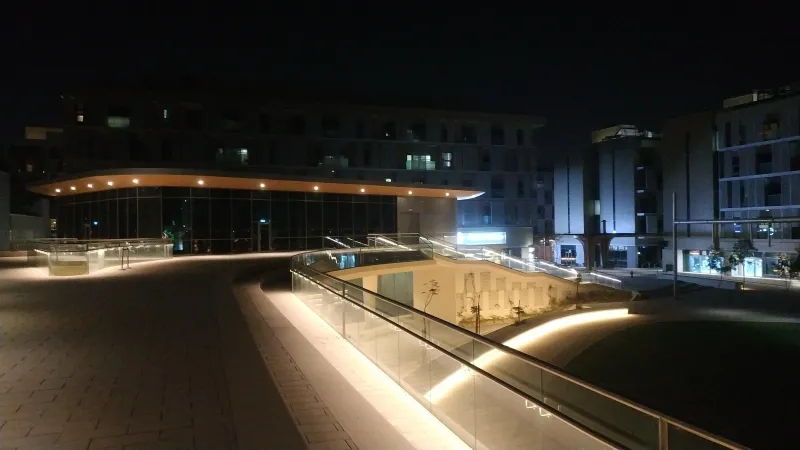
Is building its vision of the future from the desert up, with sovereign power and AI.
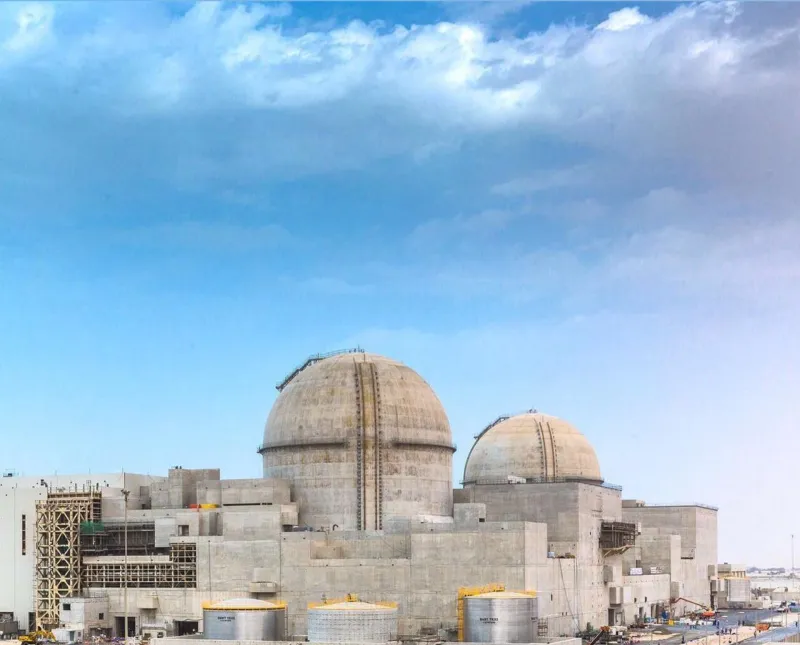
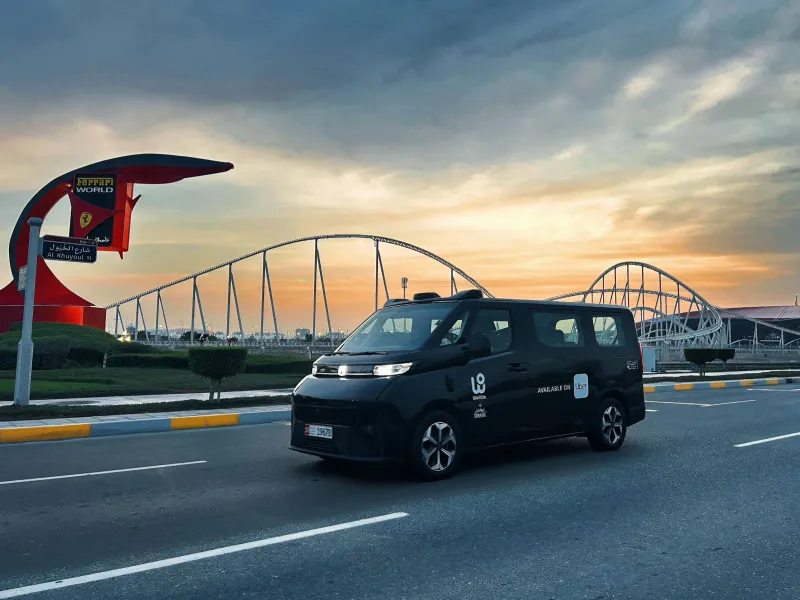
The UAE runs the Arab world’s first nuclear plant, four reactors on the desert coast at Barakah, and driverless robotaxis carry paying passengers in Abu Dhabi and Dubai.
The United States
Has every piece, at world-class scale, but not yet in one place.
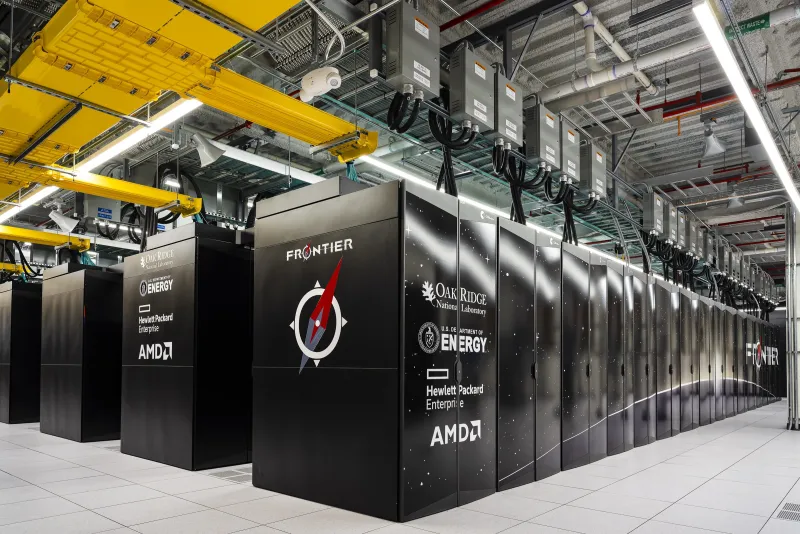
Reusable heavy launch, leading-edge chip fabs, giga-scale factories and AI compute campuses are all American and all operating. TAPROOT is the argument for putting them to work in one sovereign installation.
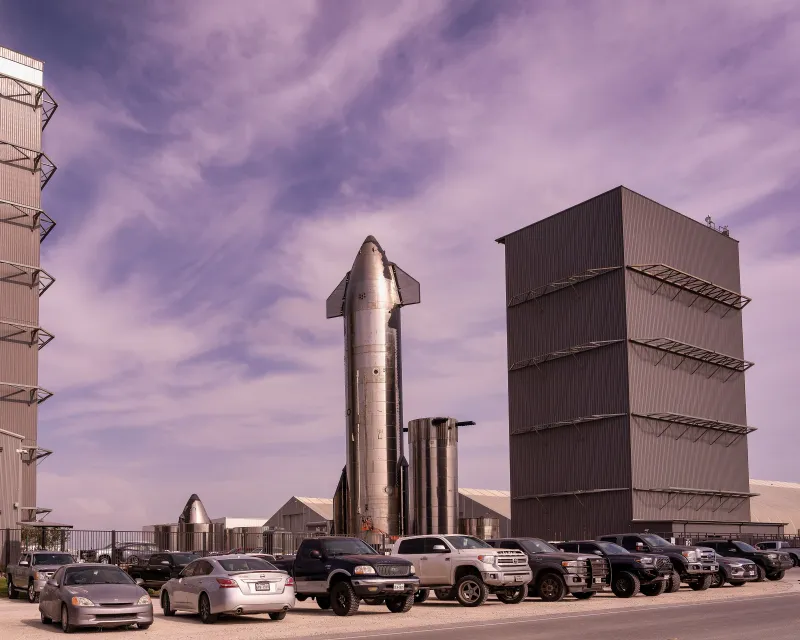
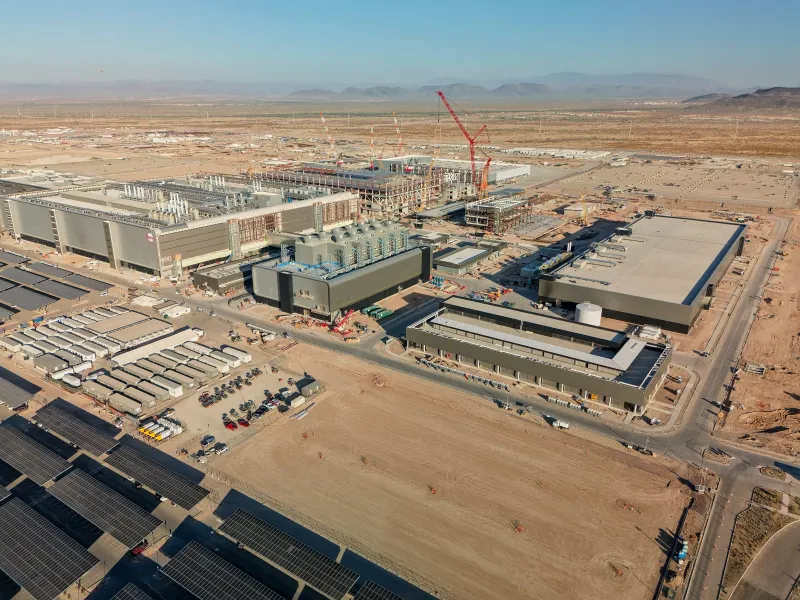
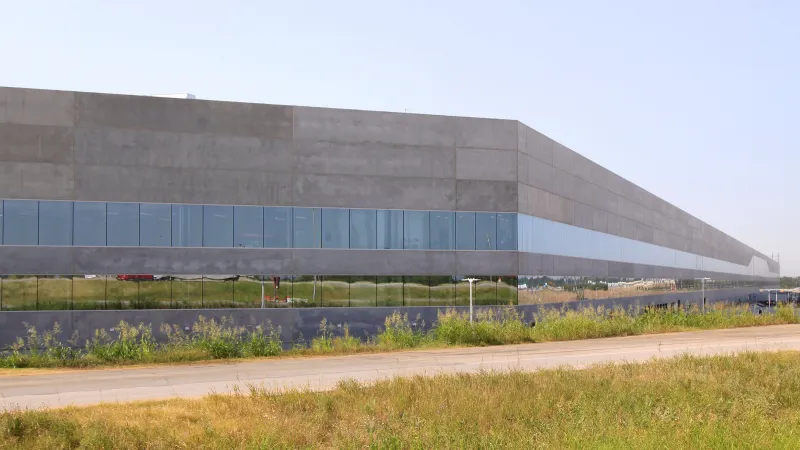
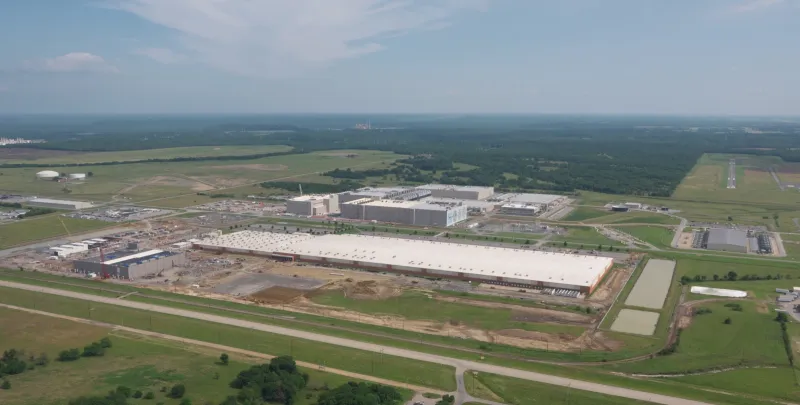
Every system, already real.
The same systems as the vision, in the same order. Each one is photographed and dated, labelled operating, in test or under construction, with its next funded step where one is dated.
Power
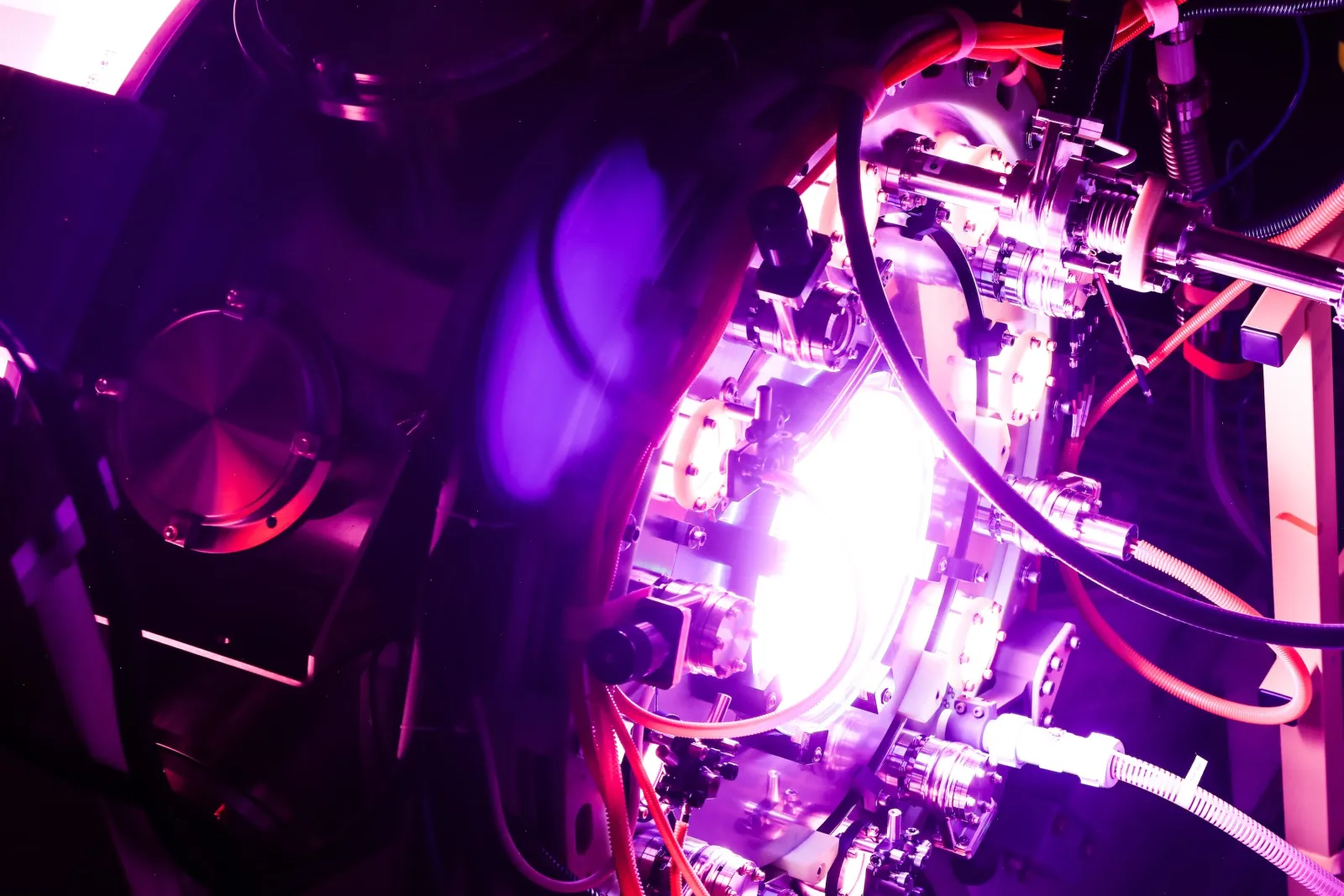
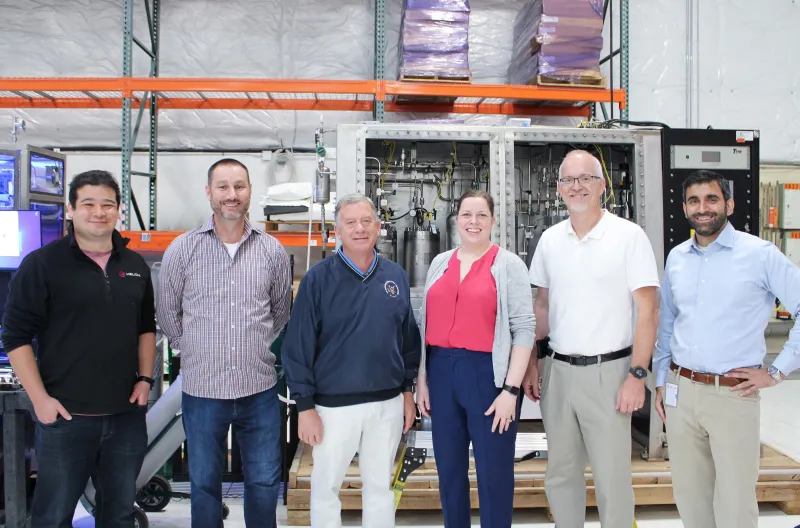
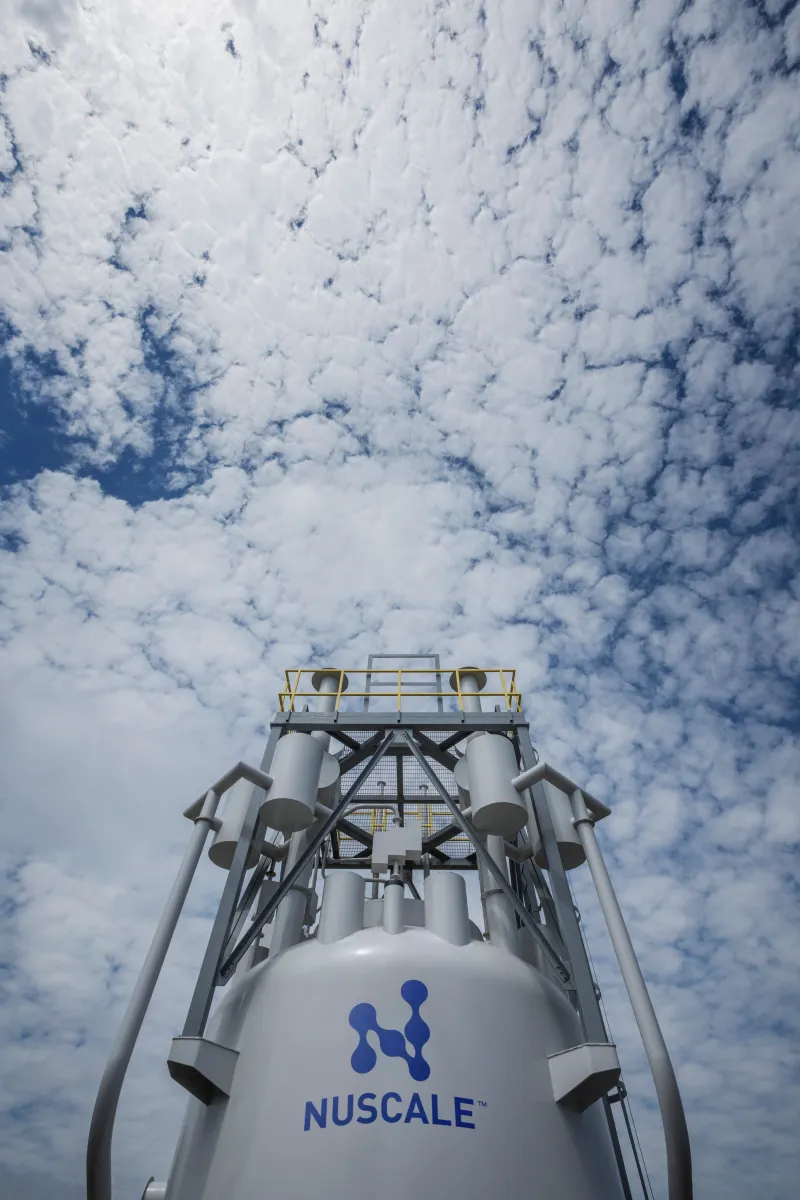
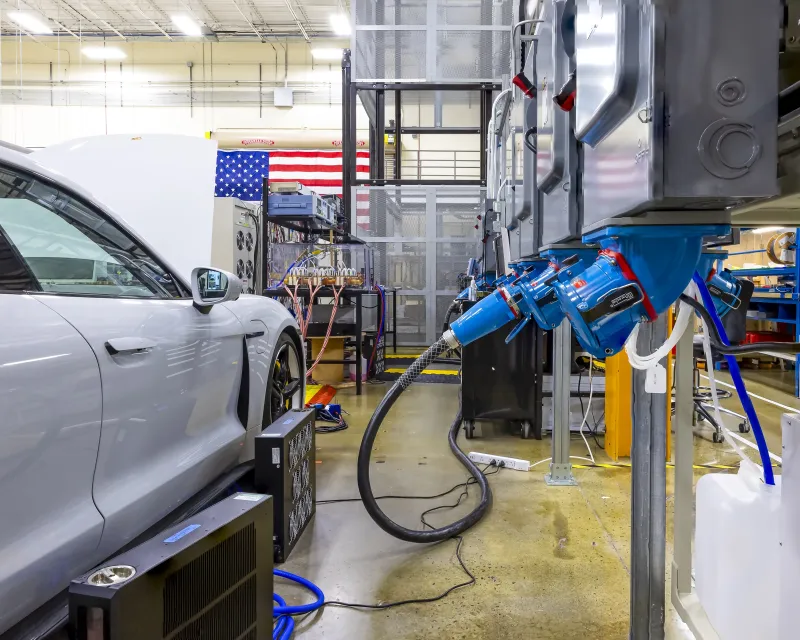
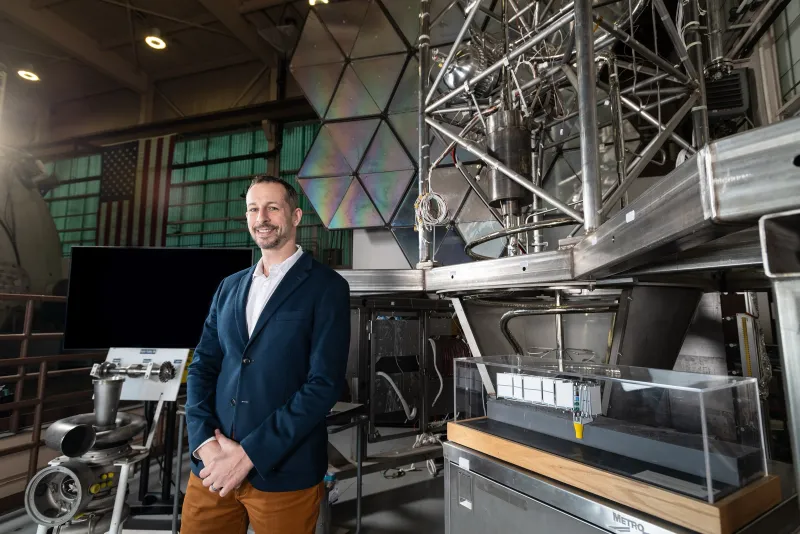
Small reactors, fusion machines and wireless power are hardware now, not slides.
Next, to 2029. The Army’s Janus programme targets its first groundbreaking in 2027 and its first microreactor in useful service on an installation by September 2028. Commonwealth Fusion Systems’ SPARC aims for first plasma in 2027.
See power in 2075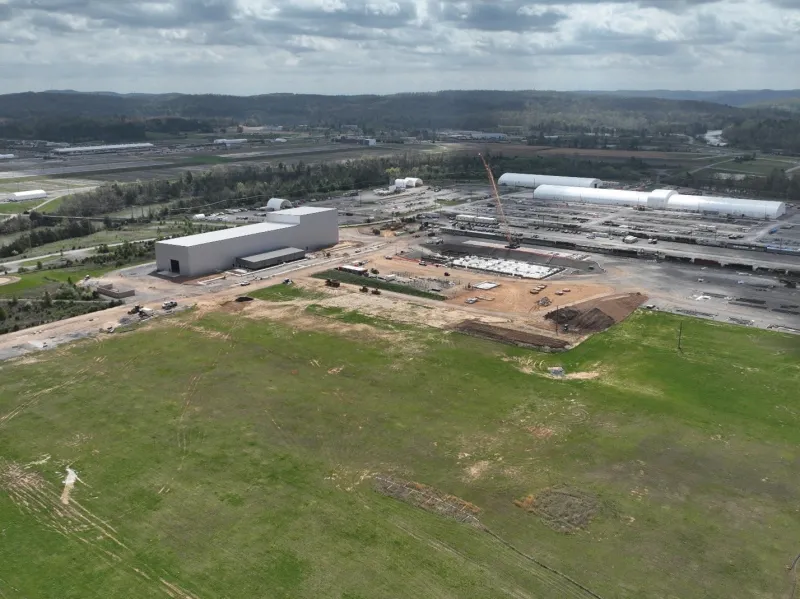
Water
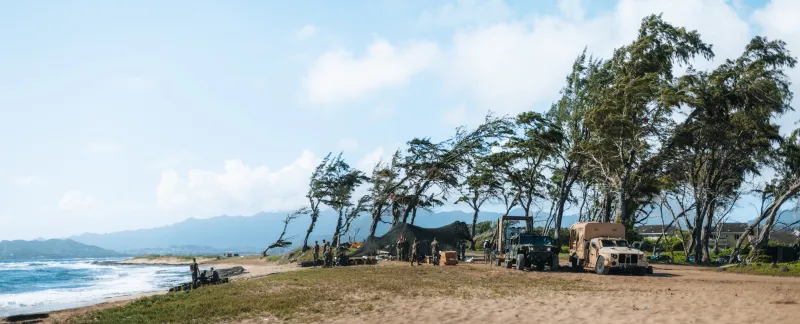
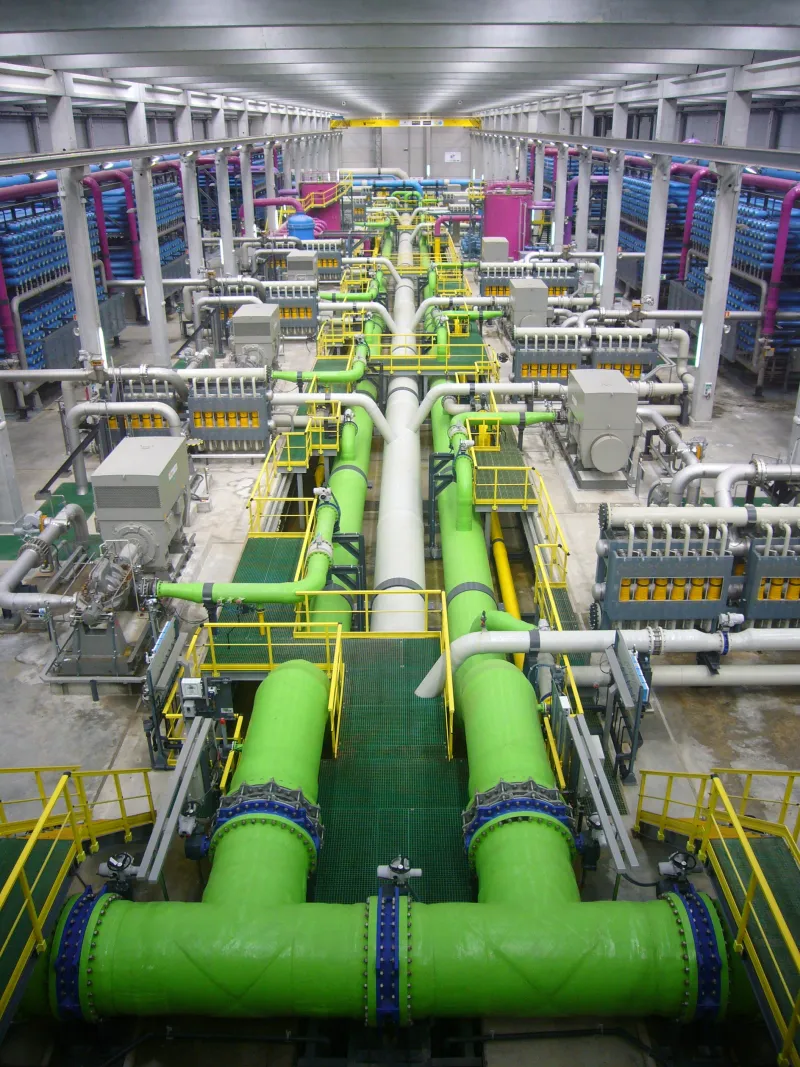
Units already make their own drinking water from the air and the sea.
Next, to 2029. Since 2017 the Army has required critical missions to hold at least 14 days of energy and water; atmospheric water generators like these are how a base meets that without a pipeline.
See water in 2075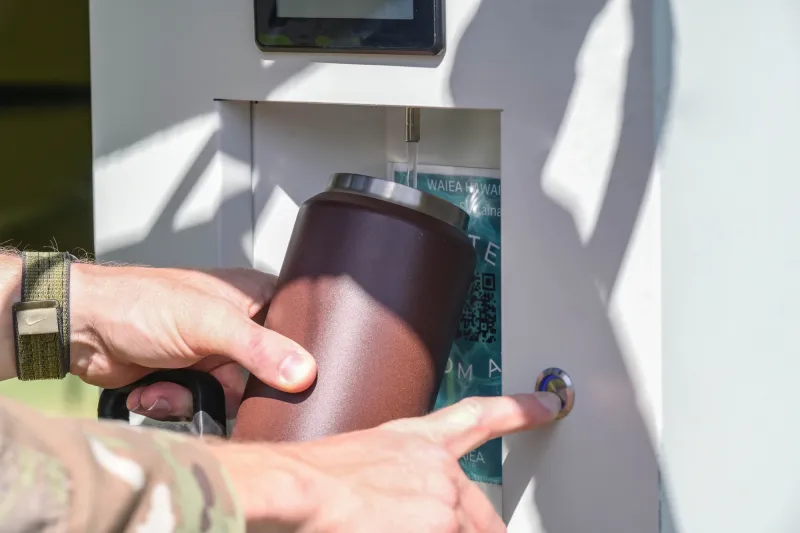
Air
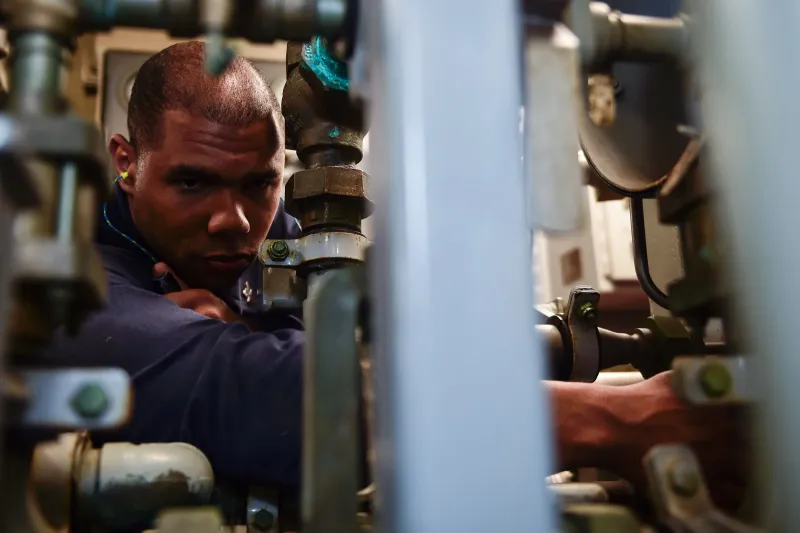
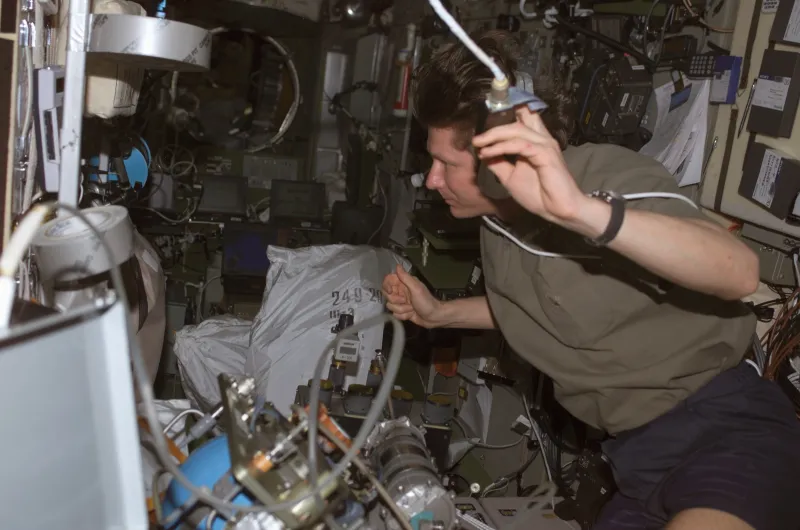
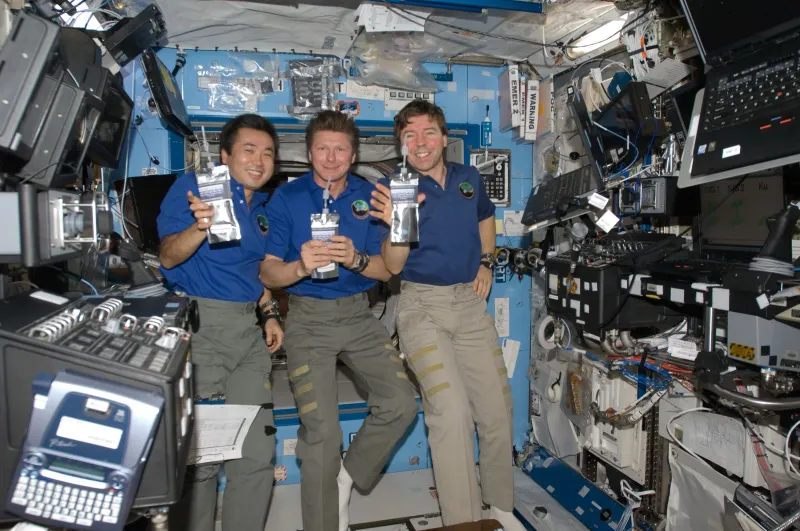
People have breathed made air, in a sealed habitat, continuously for a quarter of a century.
Next, to 2029. The space station’s oxygen generation and carbon-dioxide removal racks are the working model for a sealed mountain: the same chemistry, at the scale of a cavern.
See air in 2075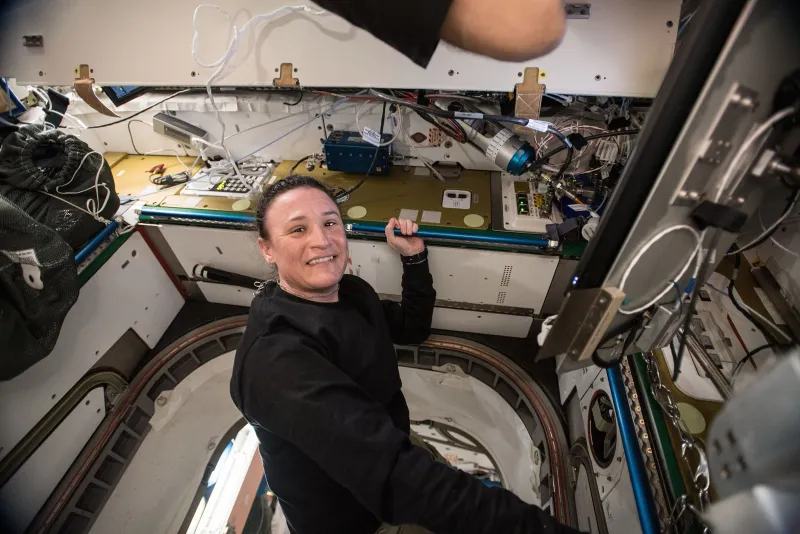
Food
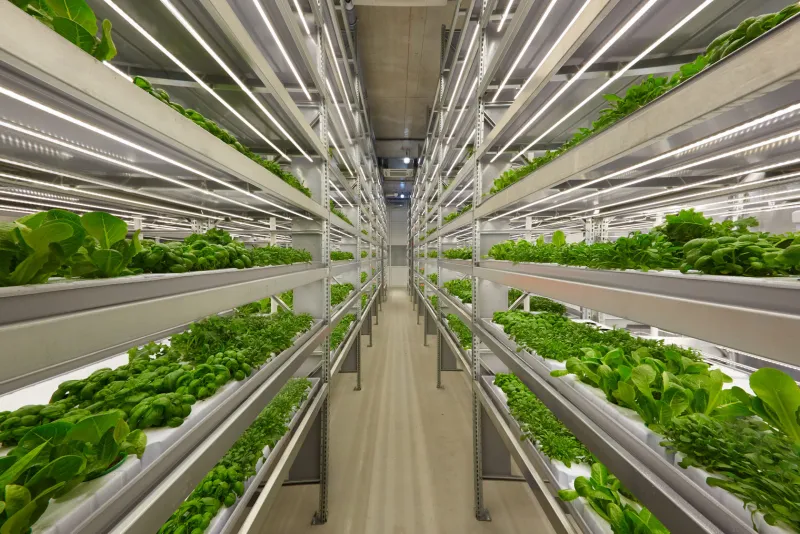
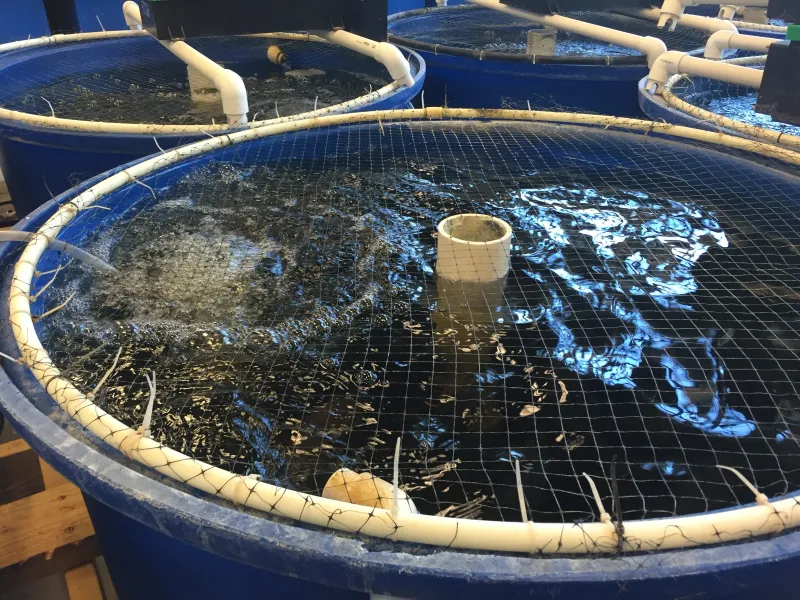
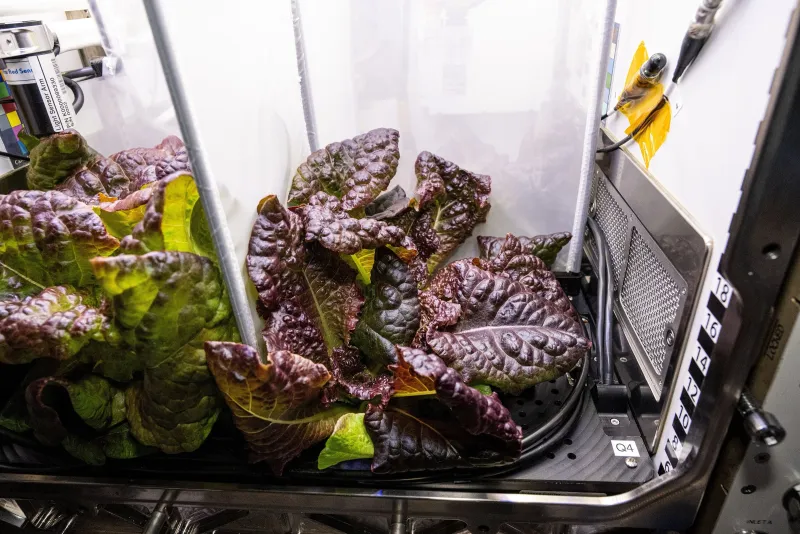
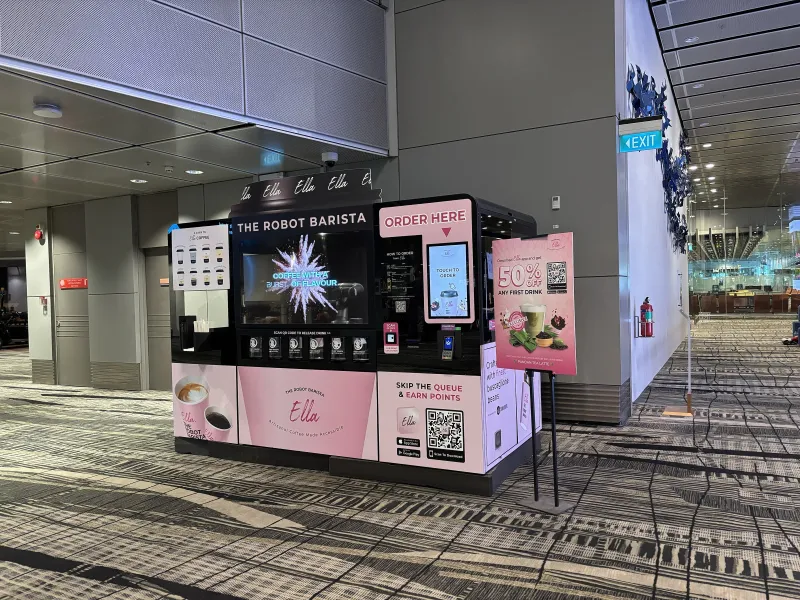
Food is grown under lights, farmed in recirculating water and made from air and electricity.
Next, to 2029. Solar Foods began commercial-scale production of Solein, a protein made from air and electricity, in Finland in 2024; its next plant would raise capacity from 160 to 6,400 tons a year.
See food in 2075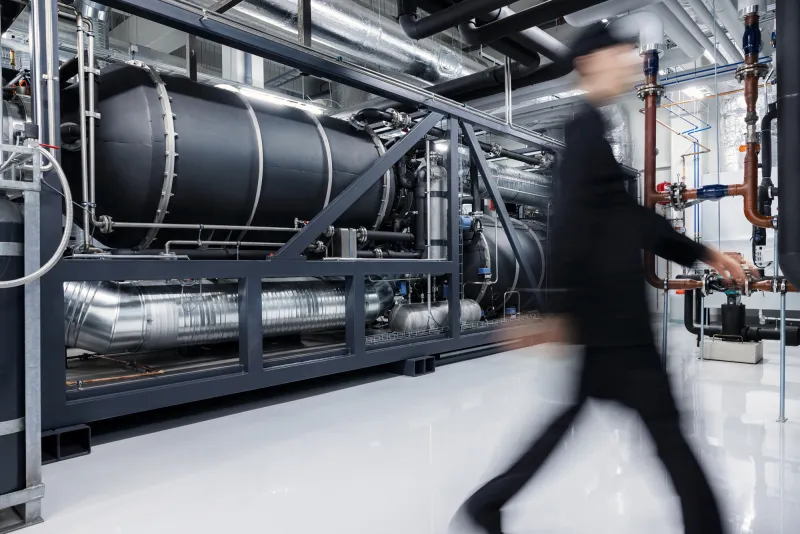
Return
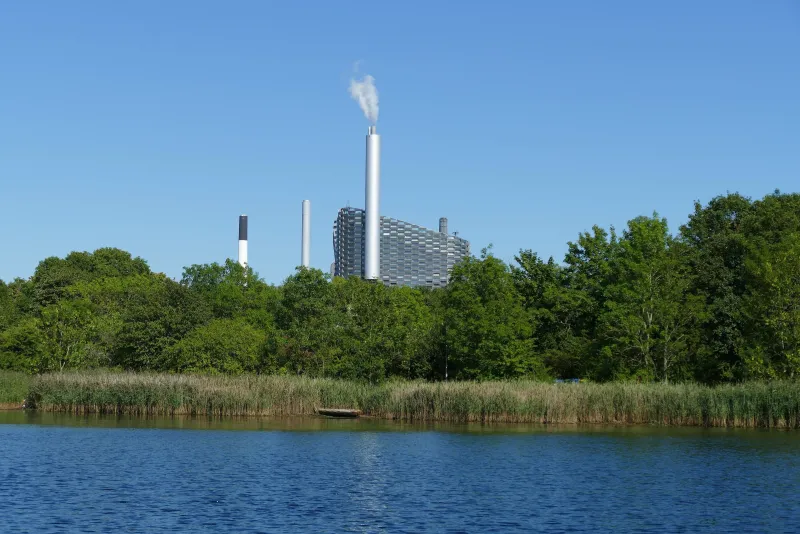
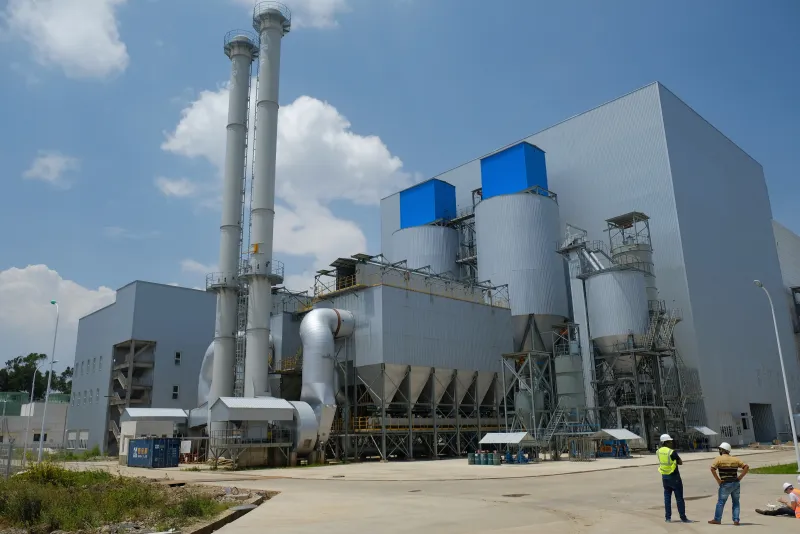
Waste already comes back as water, power and heat.
Next, to 2029. On the space station, NASA’s Brine Processor Assembly lifted total water recovery to 98 percent, up from 93 to 94 percent.
See return in 2075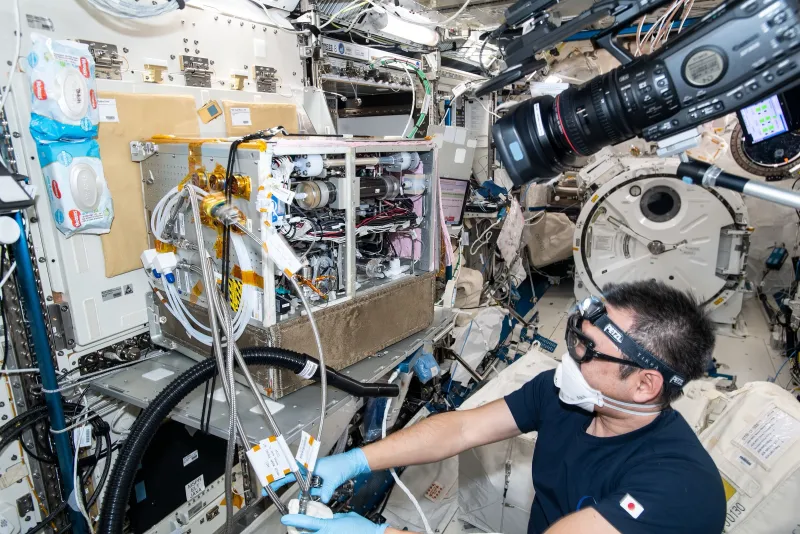
Making
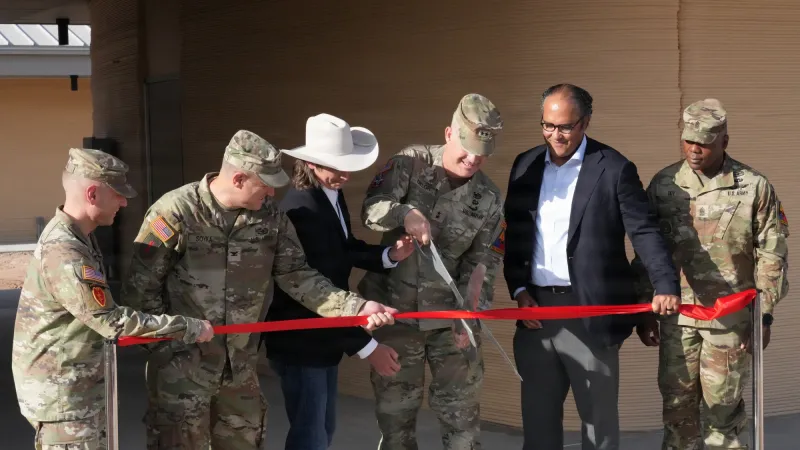
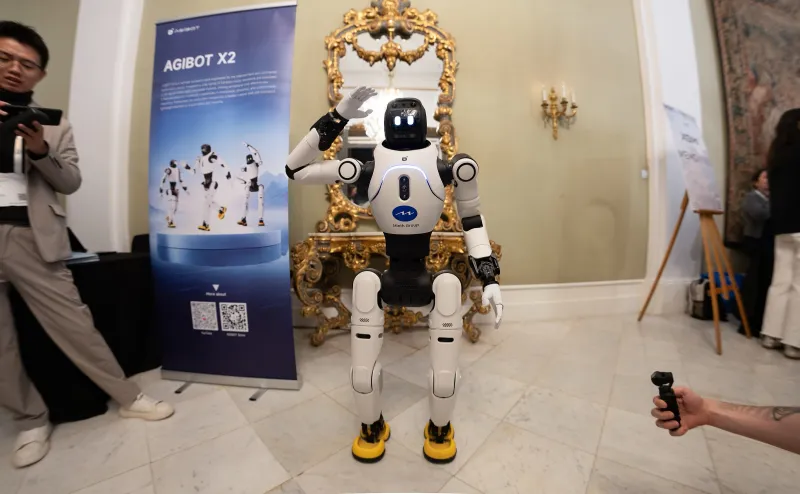
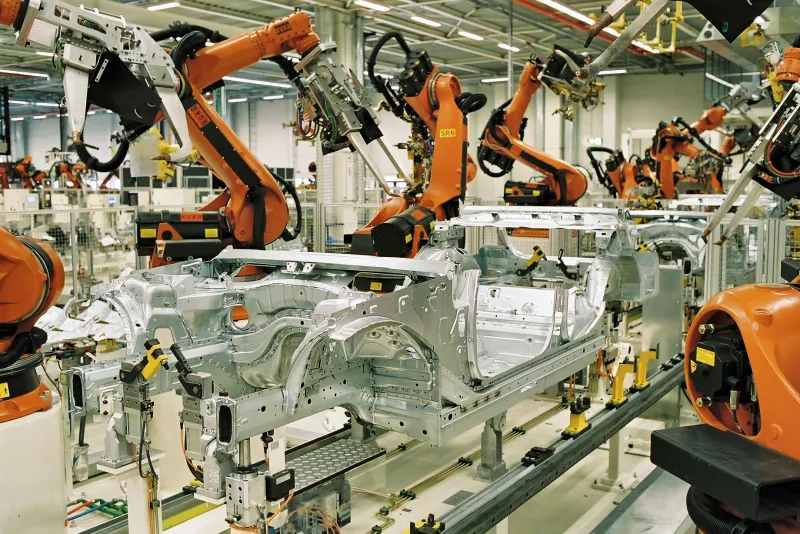
The Army is printing its own buildings, and robots already run whole production lines.
Next, to 2029. Fort Bliss is printing ten new barracks after its first three. Hyundai has named 2028 as a target for humanoid robots in parts of its manufacturing.
See making in 2075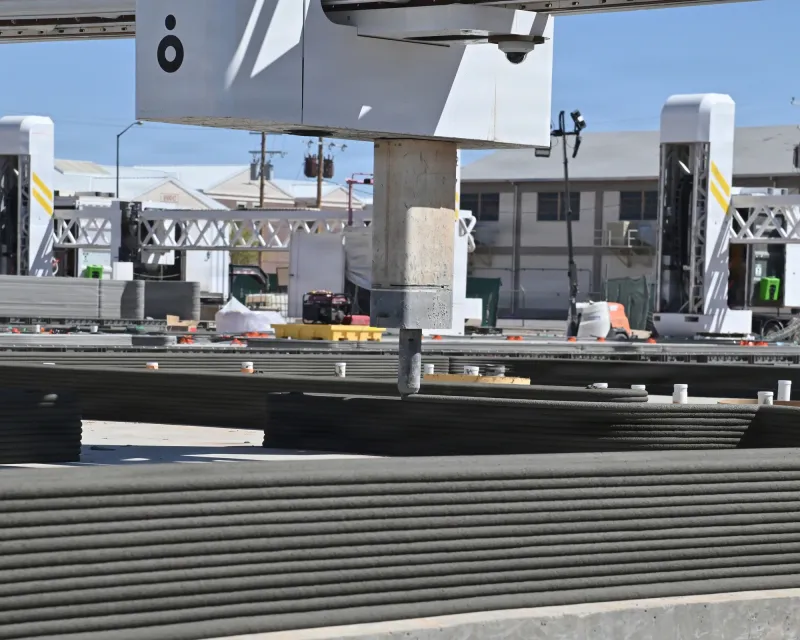
Care
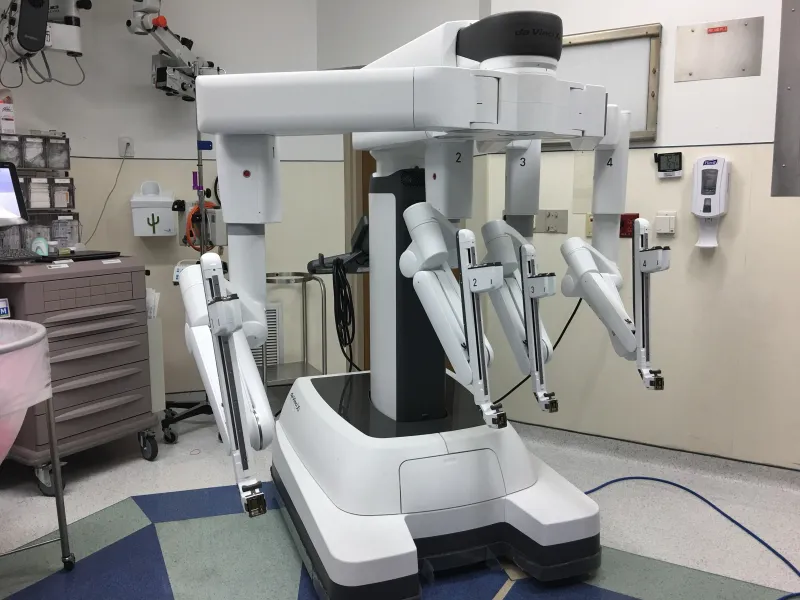
Surgeons already operate through robots, including in military hospitals.
Next, to 2029. A care bay that can treat people with no hospital outside starts from systems like these, already in routine use.
See care in 2075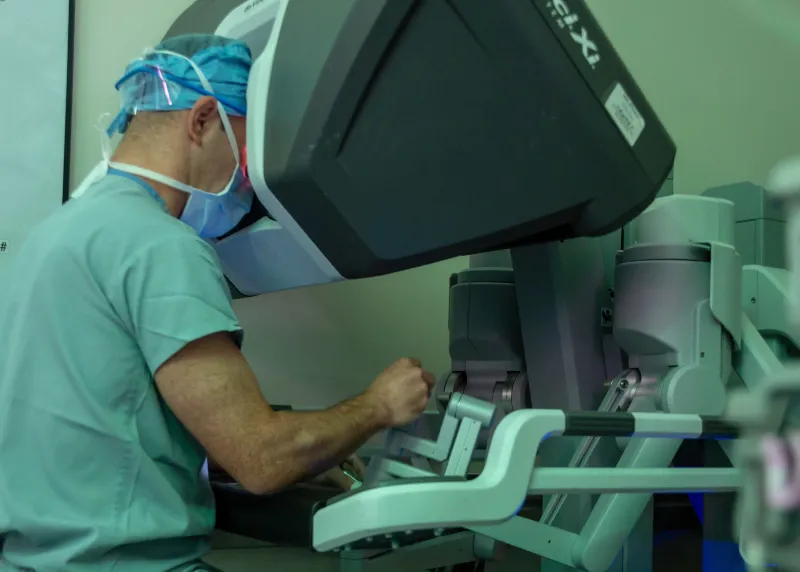
Body and mind
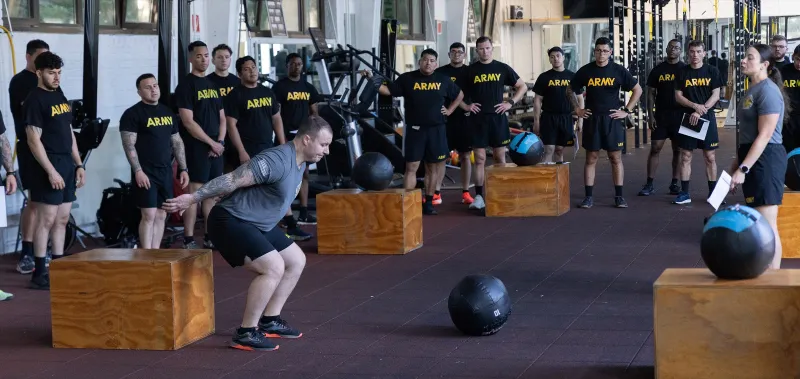
The Army already trains the whole person: strength, sleep, nutrition and mind.
Next, to 2029. Holistic Health and Fitness (H2F) puts strength coaches, dietitians and cognitive specialists inside units; the training floor and the float in 2075 are where that leads.
See body and mind in 2075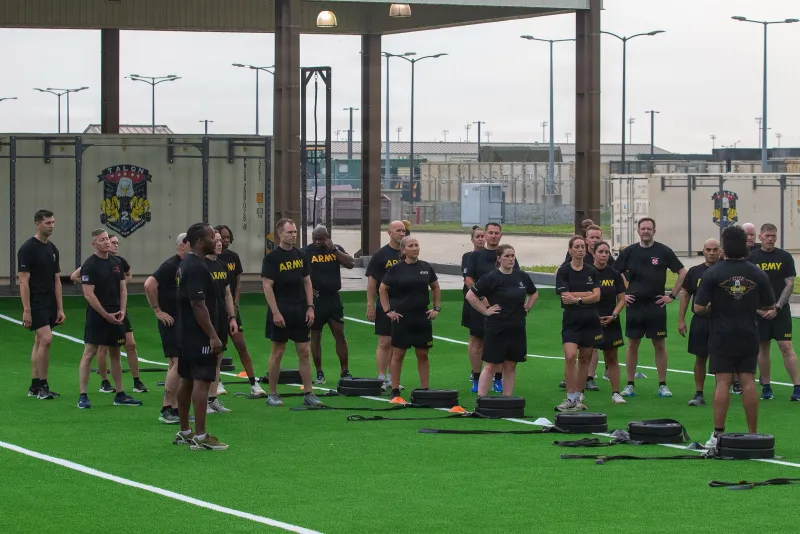
Intelligence
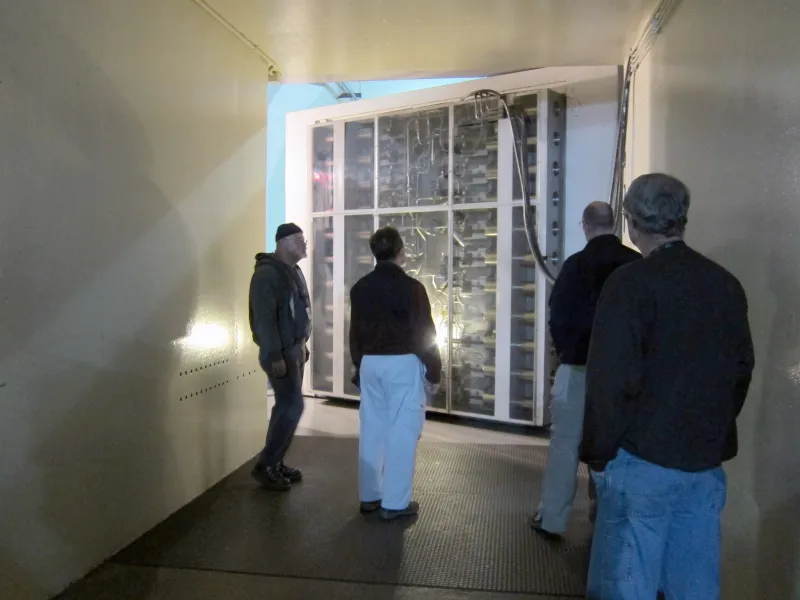
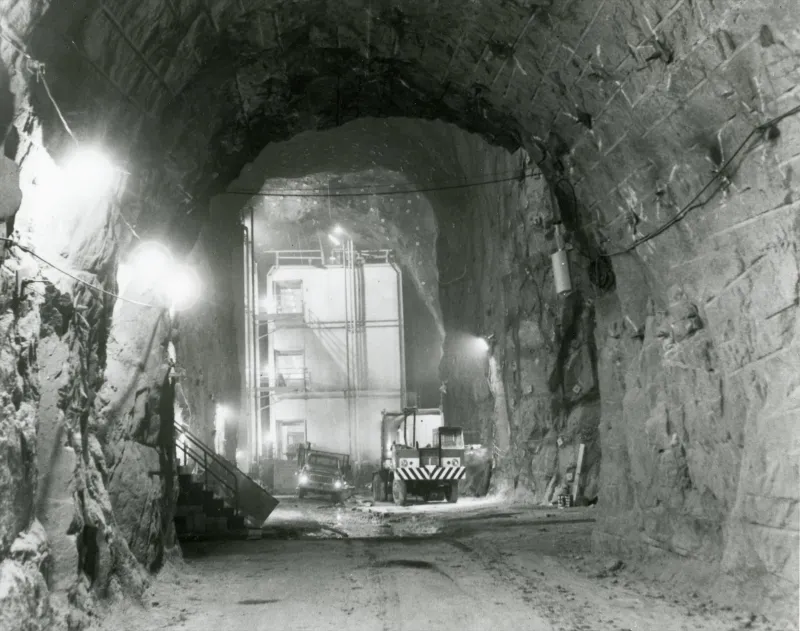
A command centre inside a granite mountain, on steel springs, has been operating since the 1960s.
Next, to 2029. IBM has set out a path to the first large-scale, fault-tolerant quantum computer by 2029. Cheyenne Mountain keeps fifteen buildings on 1,319 steel springs, so a blast or a tremor passes under the racks.
See intelligence in 2075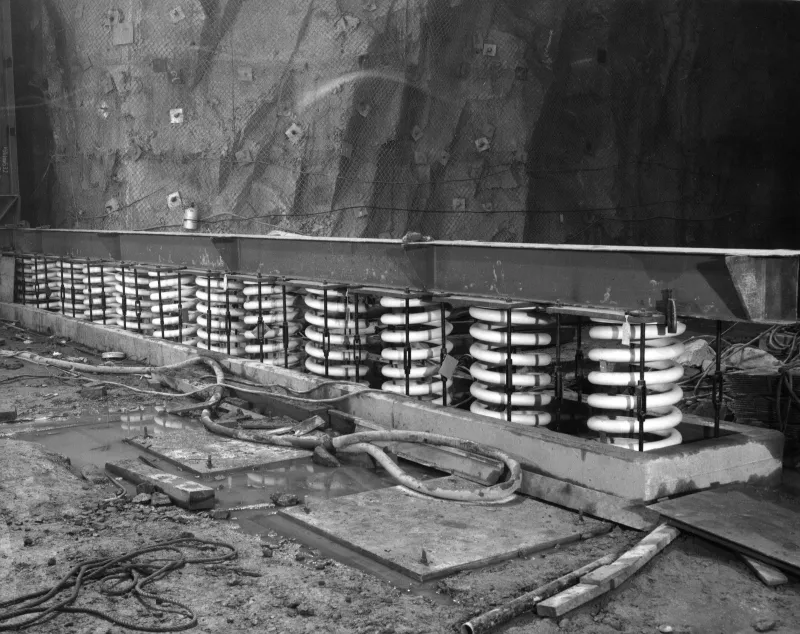
Defended
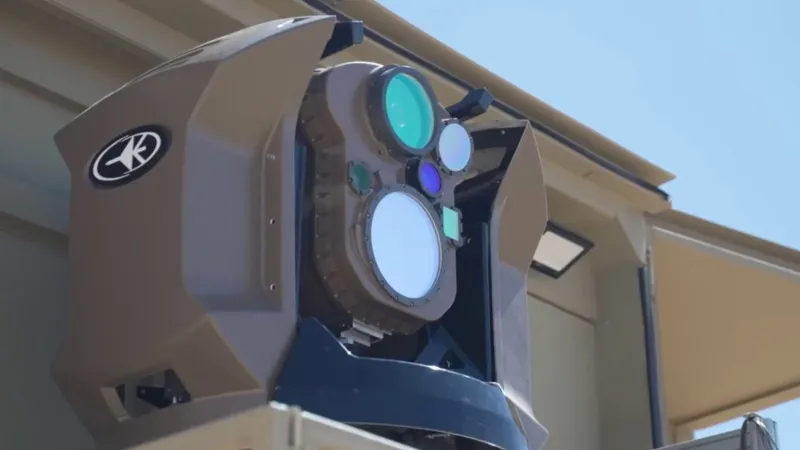
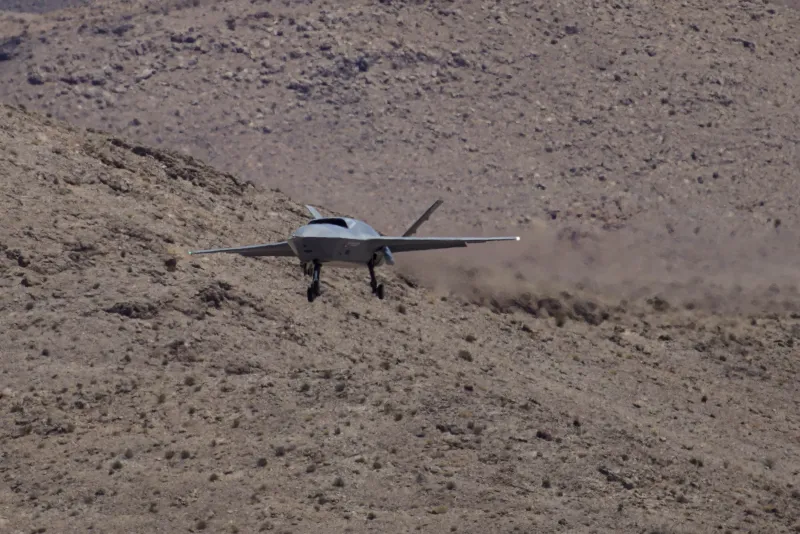
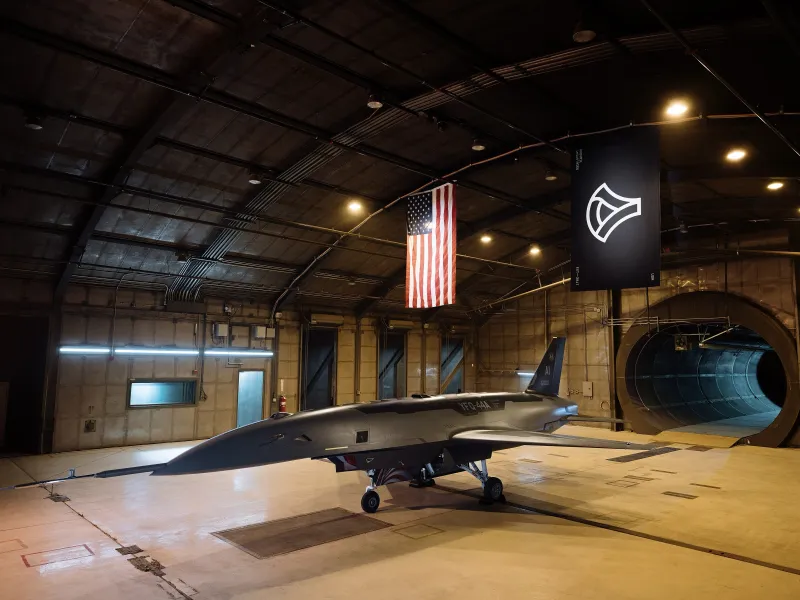
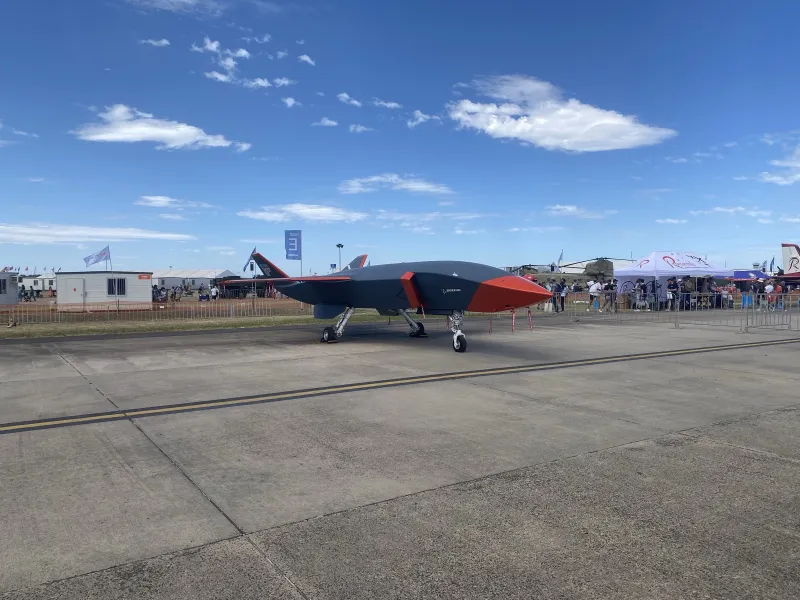
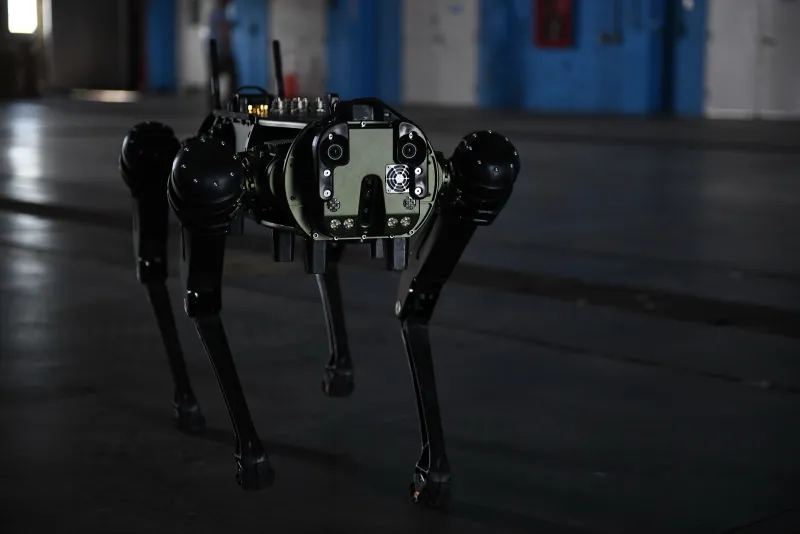
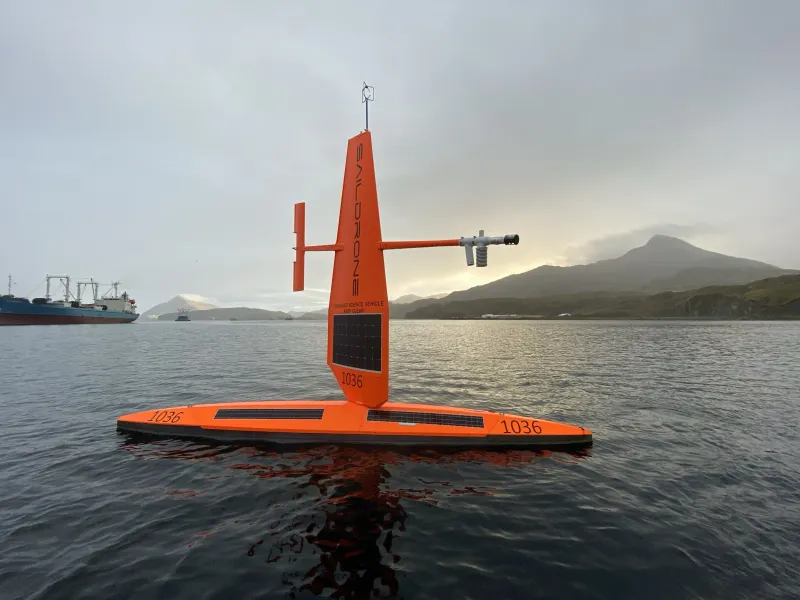
Laser weapons are fielded, uncrewed combat aircraft fly, and robots patrol base perimeters.
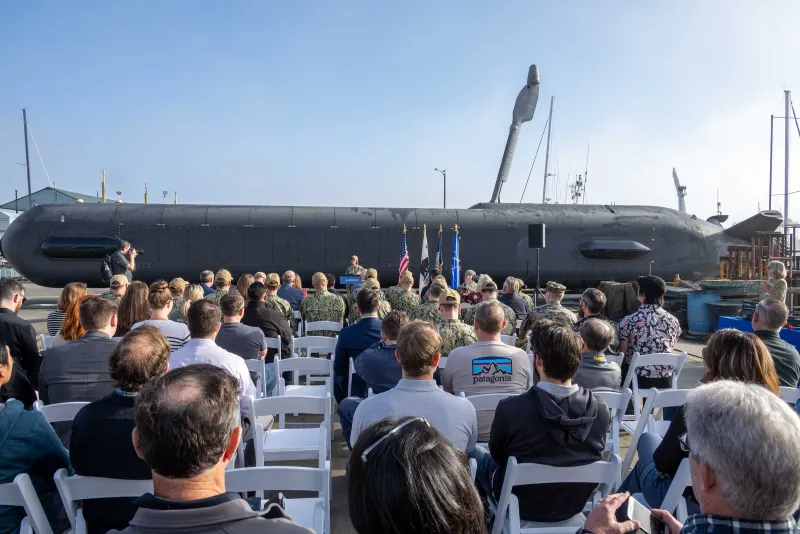
Next, to 2029. Israel’s 100 kW Iron Beam laser went operational in December 2025. The operational Ghost Bat is due in Australian service by 2028, the Army has planned robotic combat vehicles in units by 2028, and the Navy plans to buy two Orca extra-large uncrewed submarines in fiscal 2027.
See defended in 2075
The network and the Moon
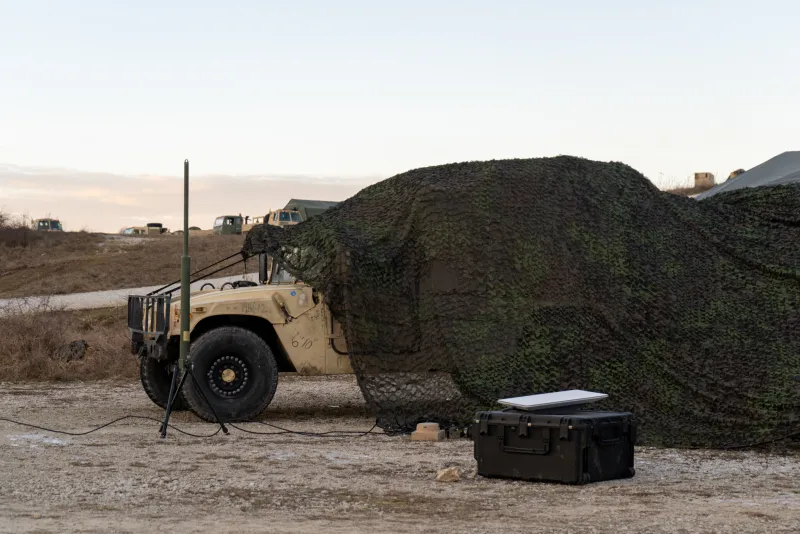
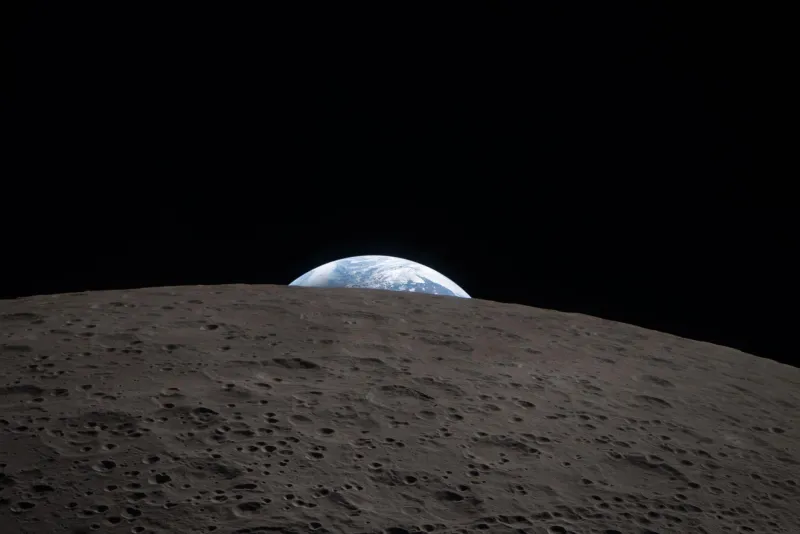
The ride to the Moon is flying again, and the reactor to power a base there is being built.
Next, to 2029. NASA, the Department of Energy and Idaho National Laboratory are developing a lunar fission reactor of at least 100 kilowatts, due ready to launch by early fiscal 2030.
See the network and the moon in 2075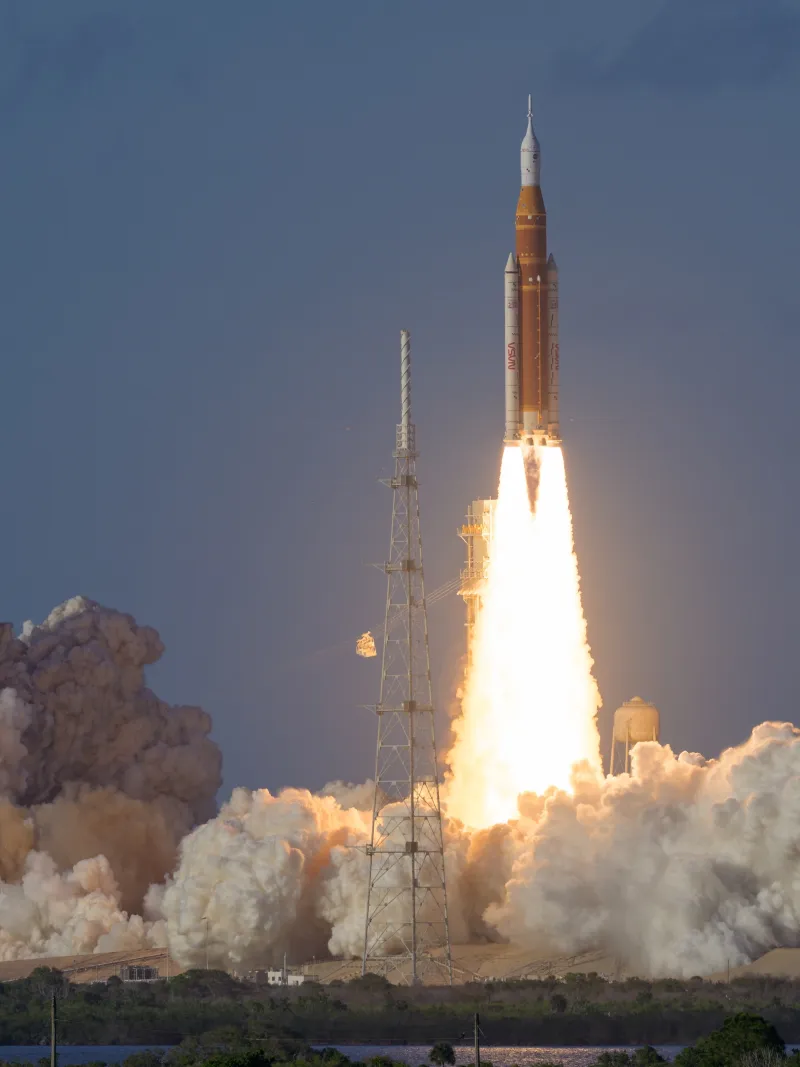
The road from six months to fifty years.
What billions can start now is the foundation. What follows is the same pieces, compounding.
- 2026 to 2029
Foundation
An islanded microgrid with a microreactor and collector fields; water independence from air, sea and reuse; printed structures; a layered counter-drone defence; an AI operations floor on sovereign compute.
Already real: Janus and Pele, Fort Bliss, Iron Beam and HELIOS, atmospheric water generators, AI compute campuses.
- 2030 to 2045
Into the rock
Robotic excavation of caverns; vertical farms and protein made on site; closed-loop waste; on-site manufacturing and medicine; autonomous logistics; uncrewed air and sea.
Already real: Cheyenne Mountain, Solein, ISS water recovery, robotic production lines, CCA, Orca.
- 2045 to 2075
One organism
Compact fusion and beamed power; AI running every loop; the template copied as a network, then for towns and cities, then off-world.
Already real: SPARC and Helion, wireless power transfer, proliferated satellites, Artemis and lunar fission.
Why 2075 looks the way it does.
The pictures on the vision page are not invented from nothing. They are the systems on this page, after fifty years of AI compounding how things are designed, made and built.
The change from 2026 to 2075 will be larger than the change from 1976 to 2026. That is the reason the frames look further ahead than anything here, and the reason every one of them still has an ancestor on this page.
The questions a funder will ask.
- Is any of this actually possible?
- Every system on this page is photographed and dated. Some is operating, some is built and in test, and some is under construction. The 2075 base is these pieces assembled and improved, not new physics.
- What can billions and six months start?
- The foundation: an islanded microgrid and microreactor site, water independence from air and sea, printed structures on the Fort Bliss model, a layered counter-drone defence with lasers and microwave weapons already fielded, and an AI operations floor on sovereign compute. Each of these has a programme running today.
- Why build into the rock?
- Because it already works. Cheyenne Mountain has run a command centre inside granite on steel springs since the 1960s, behind a 25-ton blast door. What it cannot do is power, water and feed itself for long. TAPROOT is that mountain with every loop closed.
- Why now?
- Because others are already building at speed: a 2025 report counted more than 650 hardened aircraft shelters at Chinese bases within reach of the Taiwan Strait, against two added by the US in that area since the early 2010s. The Gulf is building sovereign power and AI from the desert up.
- Why do the 2075 pictures look so far ahead?
- Because fifty years of AI-driven design and manufacturing will change how things look more than the last fifty years did. The pictures show where these pieces lead; this page shows where they stand today.